Comparing Concrete vs. Gravel Floors in Pole Barns

Choosing the right floor for your pole barn is a decision that will shape how you use the building. Maybe you picture working on classic cars, storing machinery, or building out the ultimate workshop. Whatever your plans, the floor will impact your daily experience, your budget, and your long-term satisfaction.
Every pole barn owner eventually faces this choice and must weigh the solid reliability of a concrete slab against the flexibility and cost savings of a gravel base. The best answer? It depends on your needs and ambitions for the space. Let’s compare concrete versus gravel floors in pole barns so you can determine what will work best for you.
The Case for Gravel Floors
Many people underestimate gravel floors. They imagine loose, shifting rocks that kick up dust and make walking difficult. However, a properly installed gravel floor differs from a loose driveway. Gravel floors for pole barns typically use a product called “dense grade” or “crusher run.” This material combines stone dust with smaller stones.
When this material is compacted correctly, it creates a surface almost as hard as cement. It packs down tight. This provides a solid, reliable base for agricultural equipment and general storage.
Affordability and Drainage

The primary advantage of gravel lies in the cost. Concrete prices fluctuate, but a concrete slab will always cost more than a gravel pad. If you need a large agricultural building for storing tractors, hay, or implements, a gravel floor keeps your price per square foot much lower.
Gravel also offers excellent drainage. If you pull a wet tractor inside after a long day in the field, the water drips down and filters through the stone. You avoid the standing puddles that often accumulate on impermeable surfaces. For barns housing livestock, gravel (often covered with stall mats) provides a softer surface than concrete, which protects your animals’ joints.
The Downsides of Gravel
While cost-effective, gravel presents challenges. It holds moisture differently from concrete. In a workshop setting, this moisture causes rust on expensive tools. If you drop a small screw or washer on a gravel floor, you might never find it again.
Gravel also generates dust. No matter how well you compact it, the surface will eventually loosen up with heavy traffic, creating fine dust that settles on everything. Rolling a mechanic’s creeper or a tool chest across gravel proves nearly impossible. Over time, you will likely need to rake out ruts and add more material to keep the floor level.
The Case for Concrete Floors
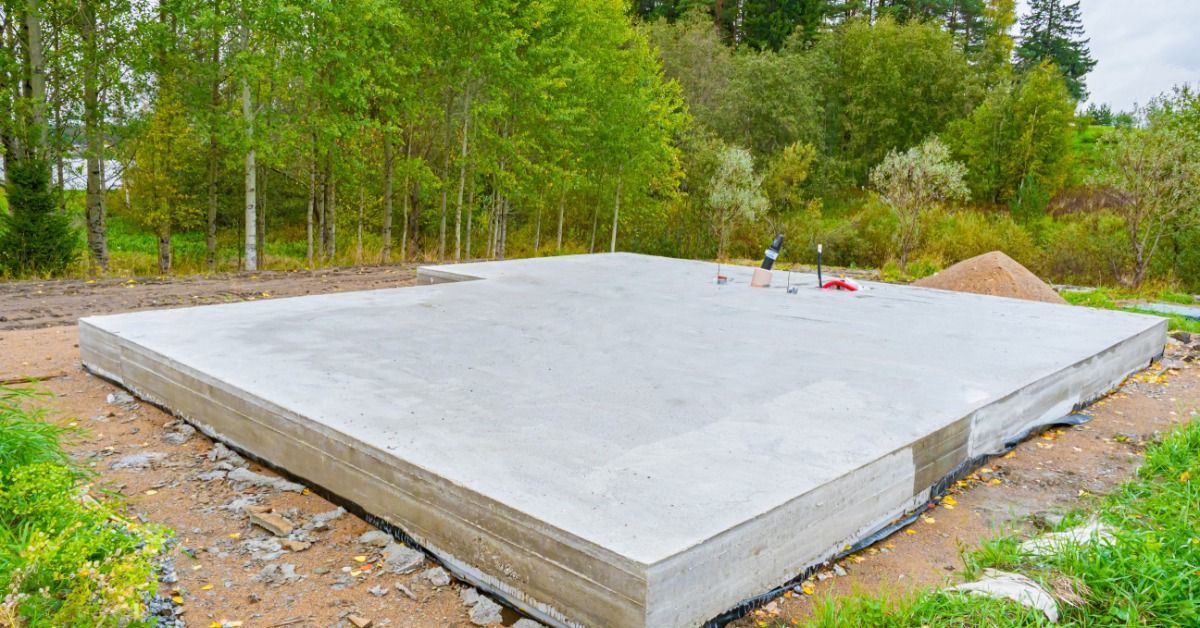
Concrete transforms a rough agricultural shelter into a permanent, multipurpose workspace. It signals quality and permanence.
Durability and Cleanliness
A concrete floor offers unmatched durability. A concrete slab can handle heavy loads without shifting or rutting when installed with the correct thickness and reinforcement. It creates a barrier against burrowing pests, which often try to tunnel under gravel floors.
It’s also easier to clean. You can sweep, blow out, or even power wash a concrete floor. If you’re planning a workshop, concrete allows you to roll toolboxes, floor jacks, and creepers with ease. It provides a level, stable surface for woodworking equipment or car lifts.
Furthermore, concrete allows for the installation of a vapor barrier underneath the slab. This plastic layer stops ground moisture from rising into the building. Your tools stay drier, and it’s easier to control the humidity in the building.
Budget Considerations for Concrete
The obvious drawback involves the price tag. Concrete adds a substantial line item to your overall project cost. You must pay for the site preparation, the gravel base, the vapor barrier, the reinforcement (wire mesh or rebar), the concrete itself, and the labor to finish it.
Once you pour concrete, you cannot easily move plumbing or electrical conduits. You must plan your drain locations and utility rough-ins perfectly before the mixer truck arrives. It requires more foresight and planning than a gravel floor, which you can easily dig up and modify later.
Matching the Floor to the Function
You can simplify this decision by looking strictly at how you intend to use the building. The function should dictate the form.
Agricultural and Livestock Use
If your barn will primarily house horses, cattle, or heavy farm machinery, gravel often wins. The cost savings allow you to build a bigger barn. The drainage benefits heavy equipment, and the softer surface suits the animals. You can always place rubber mats over gravel in stalls for easier cleaning, giving you the best of both worlds.
Workshops and Vehicles
Pole barn garages for vehicle maintenance benefit from a smooth concrete surface. You cannot effectively repair an engine or restore a classic car on dirt. The ability to clean up oil spills and move heavy jacks requires a solid slab. If you plan to spend your weekends working in this building, the investment in concrete pays dividends in comfort.
The Hybrid Approach
You do not always have to choose one or the other. Using both materials can maximize value and function. For example, you might pour a concrete slab in the enclosed “shop” portion of the building while leaving the open lean-to sheds with gravel floors. This gives you a clean, dry place to work on projects while providing affordable, covered storage for your trailer or boat.
A concrete center aisle can provide easy sweeping and clean-up for horse barns, while leaving the stall floors as gravel or clay. This provides a clean working area for the farrier and vet but keeps the horses on a softer, more natural surface. Customizing puts your budget exactly where it impacts your daily use the most.
Planning for the Future

One final strategy is to take a phased approach. You can build your pole barn with a gravel floor today with the intention of pouring concrete later. This gets the roof over your head immediately.
However, if you plan to do this, you must tell your builder upfront. They need to frame the skirt boards (the bottom boards that touch the ground) at the correct height to accommodate a future concrete slab. They also need to ensure the gravel base is at the right grade so you do not lose ceiling height when you eventually pour the concrete.
This approach offers flexibility. You might find after a year of use that the gravel works perfectly fine, saving you thousands of dollars. Alternatively, you might confirm that you need concrete, and you can save up for that upgrade separately.
Making Your Final Decision
We take pride in helping our Kentucky neighbors build structures that add value to their lives and properties. Whether you choose the economical efficiency of gravel or the polished permanence of concrete, we ensure the result meets our high standards of craftsmanship.
Deciding between a concrete and gravel floor for your pole barn depends on your lifestyle. Do not let the decision paralyze your project. Both foundations, when installed correctly by a skilled team, provide a stable base for your new building.
If you are ready to start designing your custom pole barn, reach out to our team. We love seeing a new project take shape. Contact CKR Pole Buildings & Barns today for a custom quote.