What Weather Can Do to Your Pole Barn Over Time
The weather changes quickly in Kentucky. One minute the sun shines bright, and the next, a storm rolls over the hills. You likely built your post-frame structure to withstand these shifts, but even the toughest buildings face challenges from the elements.
Nature works slowly and persistently, and it’s easy to overlook issues when they’re small. It’s important to know what weather can do to your pole barn over time to spot trouble early and protect your investment for decades.
Sunlight Can Deteriorate the Exterior
We often think of storm damage as the primary threat to buildings, but the sun exerts constant, silent pressure. Ultraviolet (UV) rays bombard your barn daily. Over the years, this exposure impacts your building materials.
Metal Siding and Roof Fading
Most modern pole barns utilize steel panels for roofing and siding. Manufacturers coat these panels with specialized paint systems that resist fading. However, UV radiation eventually breaks down the chemical bonds in the paint resin. This process leads to chalking, where a powdery residue forms on the surface, and fading, where the color loses its vibrancy. Darker colors typically show this change faster than lighter shades. This affects the appearance of your pole barn, and severe breakdown exposes the bare metal to the elements.
Wood Deterioration
If your barn features wood siding or exposed structural elements such as overhangs, the sun will slowly dry the natural oils within the timber. As the wood loses moisture, it will shrink and experience checking (cracks along the grain), warping, and splitting. Once cracks open, they provide a pathway for water and insects to enter the wood, which accelerates decay. Regular staining or painting protects your lumber from those harmful rays.
Rain and Moisture Cause Rot
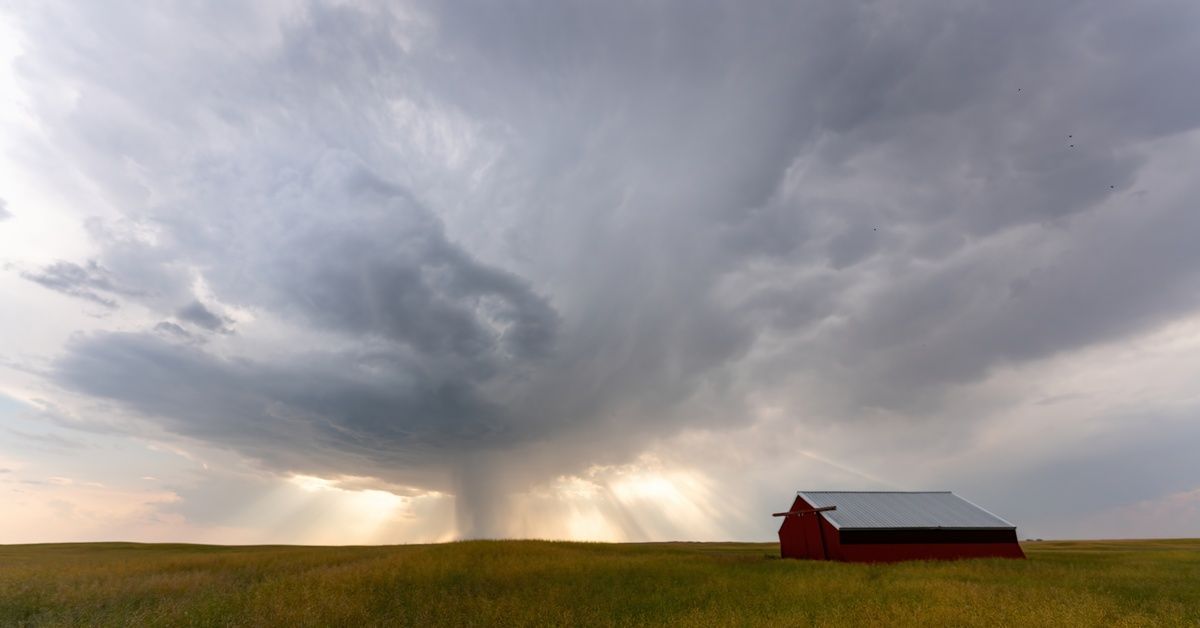
Water is the most destructive force for any structure. A well-built pole barn sheds water effectively, but moisture always looks for a way in.
The Risk of Rot
When wood stays wet, fungi begin to grow and digest the cellulose fibers, causing rot. The most critical area is where the wood meets the ground. Pressure-treated posts resist decay, but constant exposure to standing water or wet soil eventually overwhelms even treated lumber.
Splash-back is another concern. When rain hits the ground and splashes dirt and water onto the lower section of your siding, it keeps that area damp. Over time, this leads to discoloration and rot along the bottom edge of the building.
Rust and Corrosion
Steel panels are tough, but they have a weakness: rust. Moisture triggers oxidation on steel surfaces. Scratches during installation or damage from falling branches compromise the protective coating. Once water touches the bare steel, rust begins to eat away at the metal. This weakens the panel and can create holes. High humidity inside the barn also contributes to rust on fasteners and interior panels if airflow remains poor.
Soil Erosion
Heavy rains move surprising amounts of earth. If your barn lacks proper gutters or grading, water runoff from the roof will pour down alongside the foundation. This concentrated flow can wash away the soil supporting your posts. Over time, erosion will destabilize the structural columns and cause the building to shift or lean.
High Winds Can Damage the Structure
Wind puts stress on your building by pushing against the walls and trying to lift the roof.
Uplift Forces
During a storm, wind moves over your roof like air over an airplane wing. This creates low pressure above the roof and higher pressure inside the building, resulting in uplift. If the trusses and purlins lack secure anchoring, strong gusts can rip metal panels loose or, in extreme cases, detach the roof structure.
Racking and Stress
Wind also pushes against the broad side of your barn. This lateral force tries to push the building over in a process called racking. A properly engineered pole barn will transfer this load down through the posts into the ground. However, repetitive stress from years of storms can loosen fasteners, and screws that hold the metal cladding to the wood frame may back out slightly. As these connections loosen, the building will lose rigidity, making it more susceptible to damage in future storms.
Snow and Ice Stress the Roof
Winter weather brings heavy loads. Snow accumulates on the roof, adding thousands of pounds of weight that your trusses must support.
Structural Strain
Building codes dictate snow load requirements for our region. A quality builder will ensure the truss system exceeds these requirements. However, older barns or those built without proper engineering face risks. Heavy, wet snow strains the timber. If the weight exceeds the design limit, trusses may crack, sag, or collapse.
Ice Dams and Leaks
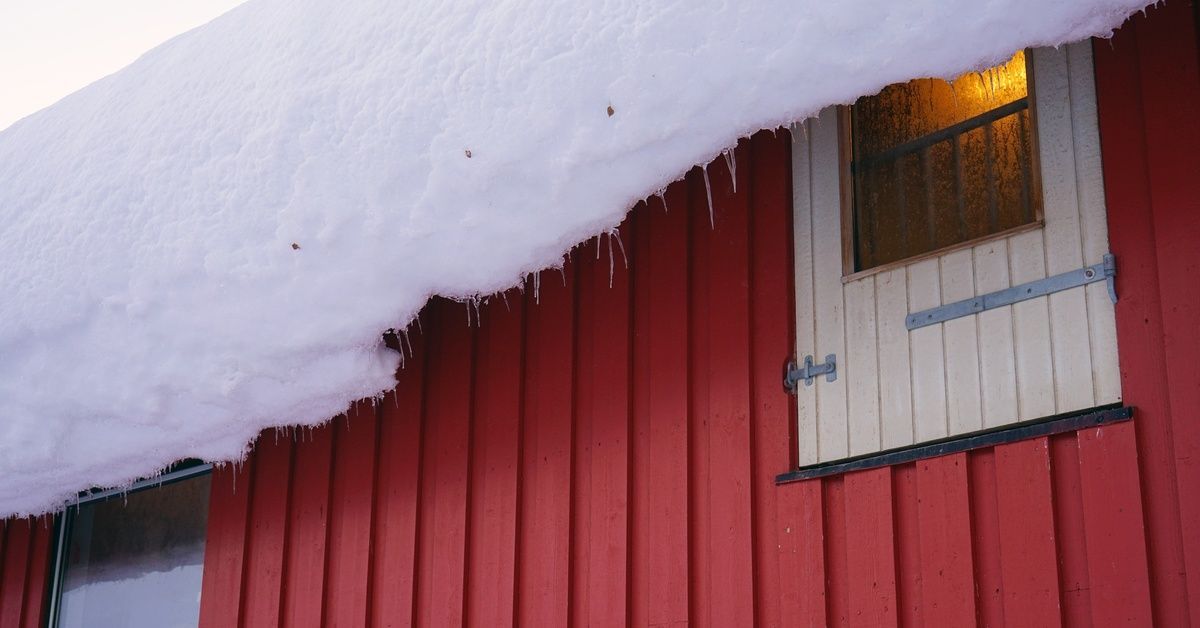
When heat escapes through the roof of a heated barn, it melts the bottom layer of snow. This water runs down the roof until it hits the cold overhang, where it freezes again. This creates a ridge of ice known as an ice dam. Water can back up behind this dam and seep under the roofing panels. Trapped water rots roof decking and purlins, and it drips into the interior, damaging insulation or equipment stored below.
How To Protect Your Barn From the Elements
You cannot control the weather, but you can manage how your building responds to it. Regular maintenance keeps the elements at bay.
- Inspect the roof annually. Look for loose screws, missing washers, or damaged panels. Check that snow guards remain secure.
- Maintain proper grading. Ensure soil slopes away from the barn so water drains away from the posts.
- Clean gutters and downspouts. Keep these clear to prevent overflow that saturates the ground near the foundation.
- Trim vegetation. Cut back tree branches that hang over the roof to prevent scratching and reduce moss growth caused by shade.
- Check the ventilation. Ensure ridge vents and soffits are clear to allow airflow, which reduces condensation.
- Touch up the paint. If you see scratches or rust spots, clean the area and apply touch-up paint to stop corrosion.
If you notice shifting, sagging trusses, or persistent leaks, do not ignore them. These signs indicate that the weather has already won a battle against your structure. In these cases, you should contact experienced pole barn installers to get a professional assessment. They can identify whether a simple repair will do the job or if the building needs structural reinforcement.
Securing Your Investment
Weather can impact your pole barn over time, so you must take steps to prevent damage. Regular inspections and prompt maintenance will ensure your building stands strong against Kentucky’s unpredictable climate.
If you need a new custom pole barn built to withstand local weather conditions, or if you have questions about current building standards, reach out to CKR Pole Buildings & Barns. We build with quality, durability, and our community in mind.