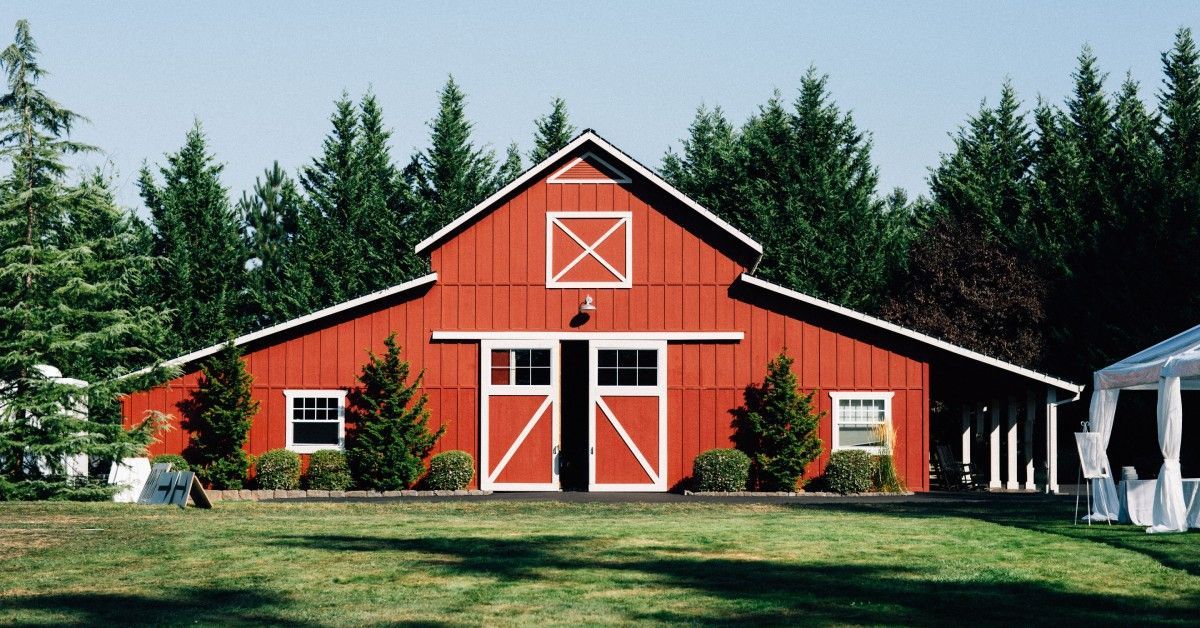
The Best Exterior Finishes for Pole Barn Homes
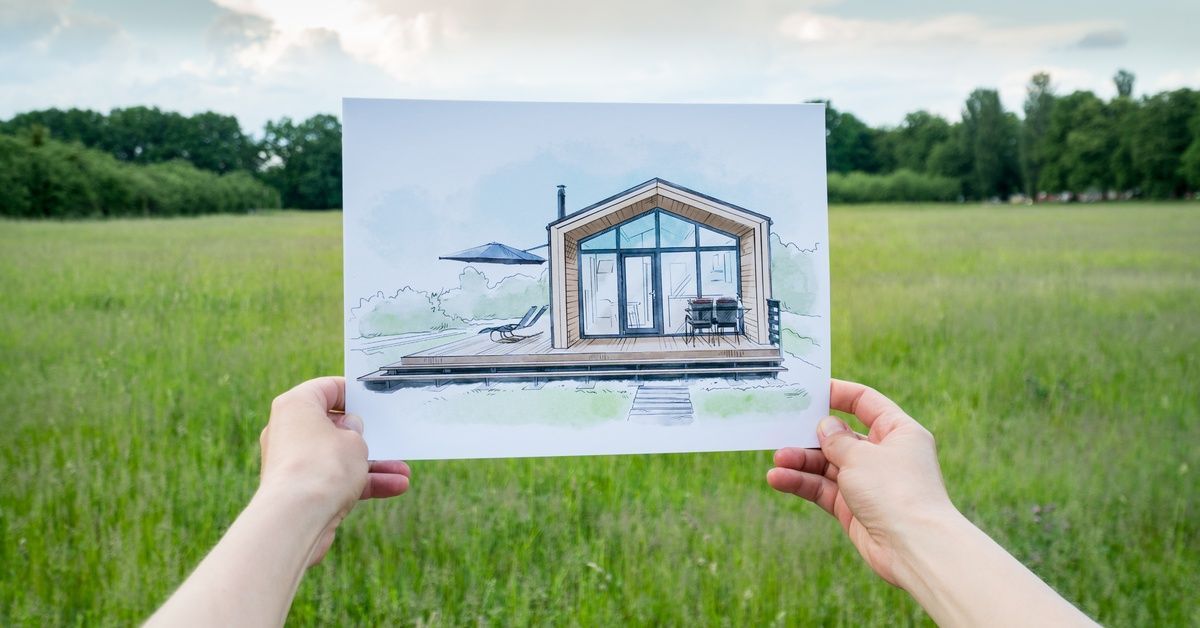
Building a dream home requires many decisions, but few impact the final look and longevity of the structure as much as the exterior finish. The siding you choose for your pole barn home dictates the appearance, maintenance requirements, and durability of the building. The right choice can transform a simple structure into a stunning residence that stands the test of time.
The best exterior finishes for pole barn homes include classic metals, rustic woods, and modern composites. Each option offers advantages, allowing homeowners to tailor their project to their style preferences and budget. Whether you envision a sleek, modern farmhouse or a rugged, traditional cabin, the exterior finish is the first impression and the primary defense against the elements.
Metal Siding: The Industry Standard
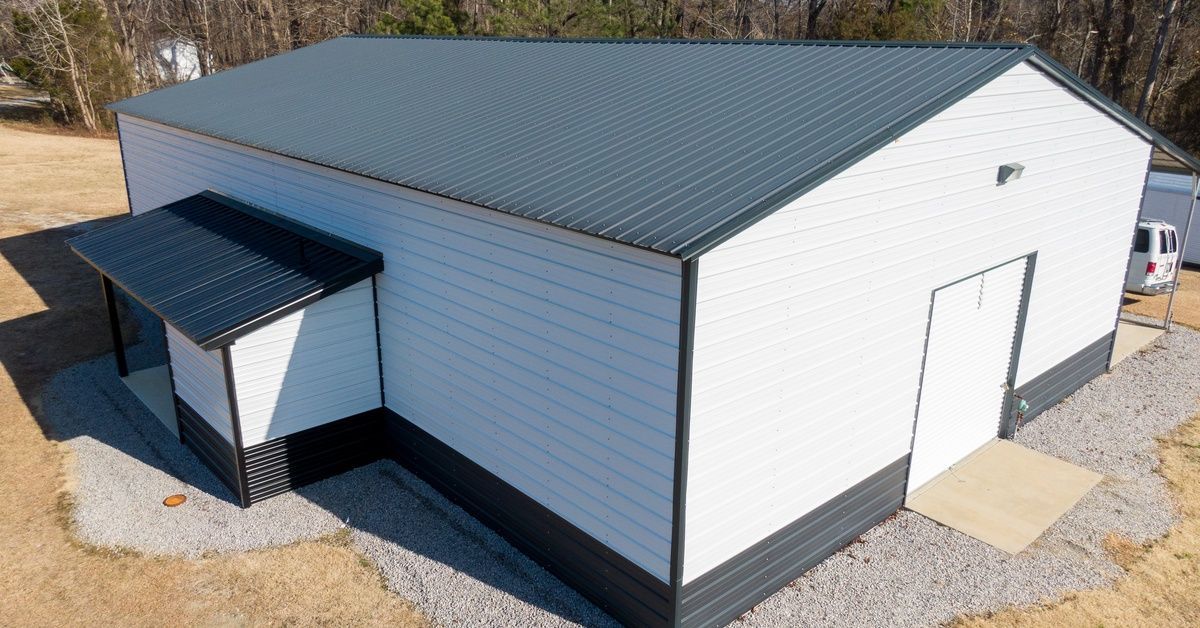
Metal siding is the most popular choice for pole barn homes, and for good reason. It offers an unbeatable combination of durability, affordability, and low maintenance.
Durability and Longevity
High-quality steel siding withstands severe weather conditions better than almost any other material. It resists cracking, warping, and fading, ensuring the home looks new for decades. Steel panels often come with warranties spanning 40 years or more, so homeowners don’t have to worry about long-term upkeep.
Low Maintenance
Unlike wood, which requires staining or painting every few years, metal siding needs very little attention. A simple wash with a hose usually keeps it looking pristine. This low-maintenance aspect appeals to busy families and those who prefer to spend their weekends enjoying their property rather than working on it.
Aesthetic Versatility
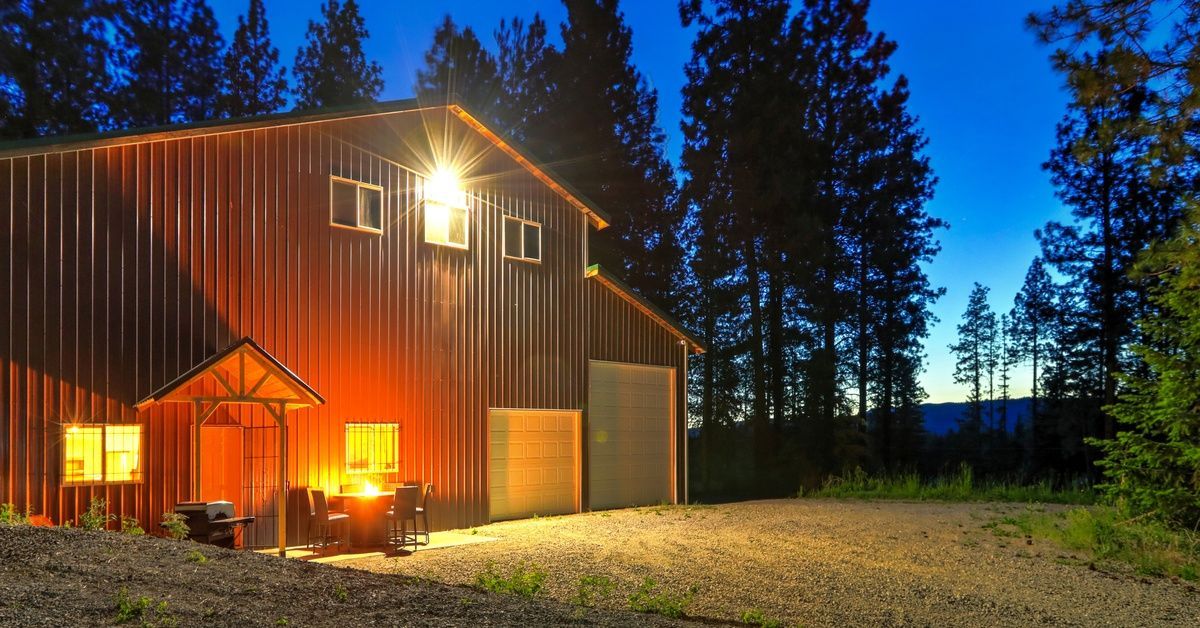
Modern metal siding comes in a vast array of colors and profiles. You can choose from traditional vertical panels or opt for horizontal layouts that mimic the look of lap siding. New texture technologies even allow metal to resemble wood grain or stucco, giving you the durability of steel with the appearance of other materials.
Wood Siding: Timeless and Rustic
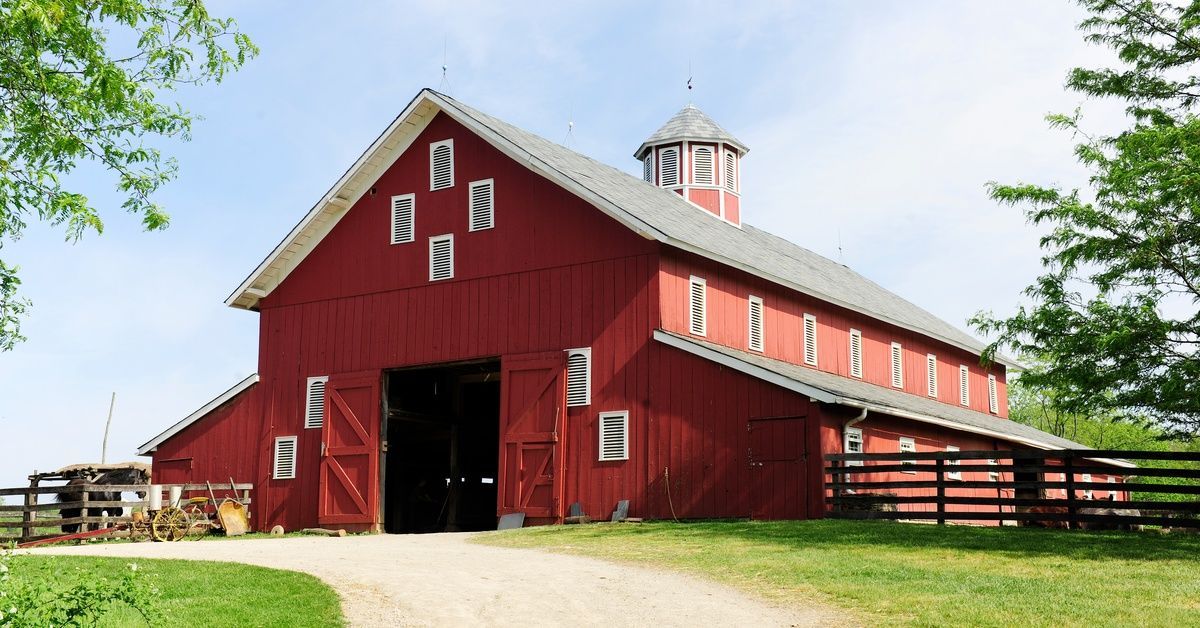
Those seeking a classic, warm appearance will appreciate wood siding, as it offers unmatched natural beauty. It connects the home to its surroundings, making it a perfect choice for rural settings.
Board and Batten
Board and batten siding creates a traditional, textured look with “country charm.” This style uses wide wooden boards with narrower strips (battens) covering the seams. It adds depth and shadow lines to the exterior, creating visual interest that flat panels cannot replicate. It requires regular sealing or painting to prevent rot and insect damage, but many homeowners find the look worth the effort.
Cedar Shake and Shingles
Cedar offers natural resistance to decay and insects, which makes it a premium choice for wood siding. Shakes and shingles provide a textured, organic appearance that ages gracefully, eventually weathering to a distinguished silver-gray if left untreated. This option works beautifully as an accent feature on gables or entryways and can be paired with other materials for a custom look.
Log Siding
If you love the look of a log cabin but want the structural benefits of a pole building, log siding provides the solution. These wood planks are milled to look like full logs on the exterior but install like traditional siding. You get the cozy, rustic aesthetic without the settling and insulation challenges often associated with log construction.
Vinyl Siding: Affordable and Adaptable
Vinyl siding has come a long way from its early days. Today, it is a cost-effective, versatile option for pole barn exteriors.
Cost-Effectiveness
Vinyl generally costs less than wood or high-end metal options, making it attractive for budget-conscious builds. The installation process is also straightforward, which can further reduce labor costs.
Variety of Styles
Manufacturers produce vinyl in nearly every color imaginable. You can find options that mimic wood grain, stone, or slate, so you can customize without breaking the bank. However, it is essential to choose high-quality, thick-gauge vinyl to ensure it can withstand high winds and temperature fluctuations common in Kentucky.
Maintenance Considerations
Like metal, vinyl is low maintenance. It does not rot or rust, and it never needs painting. However, it can become brittle in extreme cold or fade over time in intense sunlight. Choosing a high-quality product with UV protection mitigates these risks.
Fiber Cement: The Modern Contender
Fiber cement siding has gained popularity in residential construction and works well for pole barn homes. Composed of cement, sand, and cellulose fibers, this material mimics the look of wood but offers greater durability.
Fire and Pest Resistance
Fiber cement is noncombustible and impervious to termites and woodpeckers. This makes it an incredibly safe and long-lasting choice, especially in wooded areas where fire and pests pose real threats.
Aesthetic Appeal
This material looks a lot like natural wood siding but holds paint much longer. It does not expand and contract like wood, so paint finishes stay intact for 15 years or more without peeling or chipping. It is available in planks, shingles, and large panels, allowing for modern architectural designs.
Weight and Installation
The main drawback of fiber cement is its weight. It is heavier than wood or vinyl and requires specialized tools and more labor to install. This can increase the initial construction cost, but the long-term durability often justifies the investment.
Choosing the Right Combination
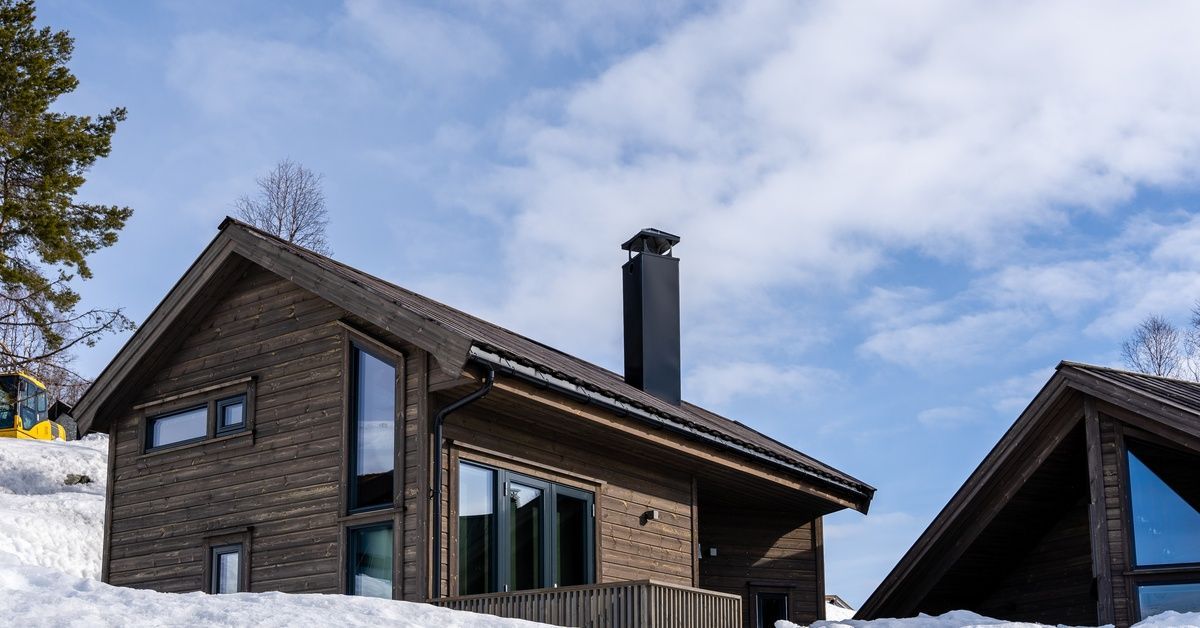
The beauty of custom pole building construction lies in the ability to mix and match. You aren’t limited to a single material.
The Barndominium Look
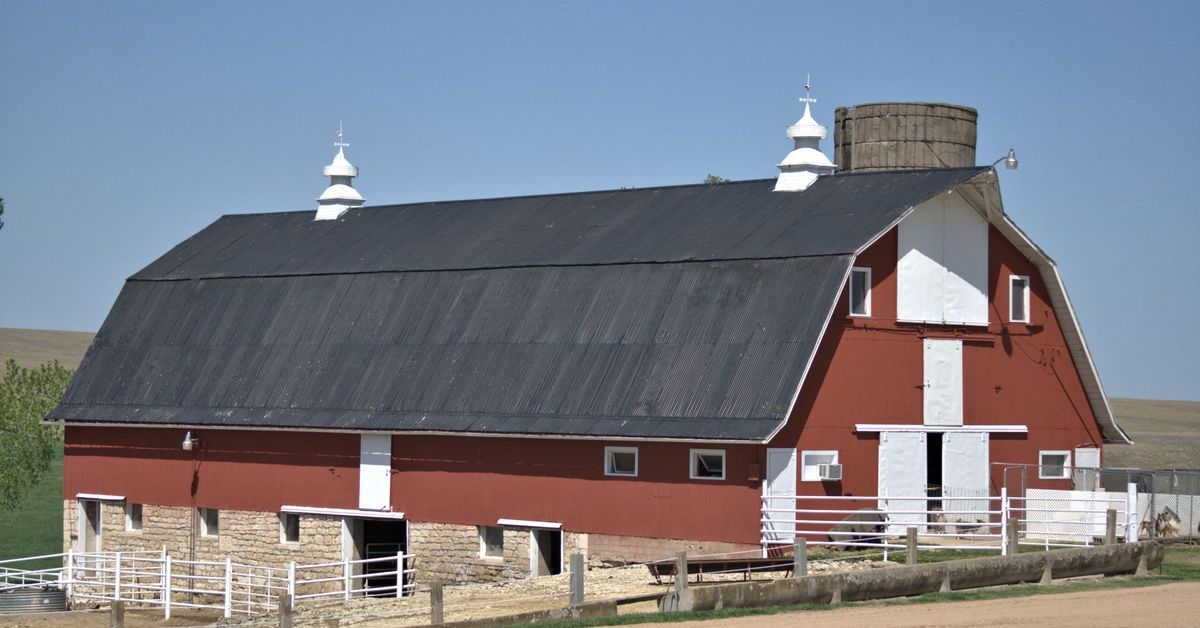
Creating a unique look often involves blending textures. For instance, pairing sleek metal roofing with warm cedar siding creates a striking contrast. Or, combining vertical metal siding with a stone wainscot offers a balanced, grounded appearance. If you are planning a barndominium in Kentucky, you must consider the local landscape and climate to select materials that look good and perform well in that environment.
Color Coordination
Don’t underestimate the power of color. Darker colors tend to absorb heat, while lighter colors reflect it. In warmer climates, a light-colored roof with contrasting siding keeps the interior cooler. Conversely, dark siding can add drama and modernize the look of the home. Using a visualizer tool or consulting with design experts can help you see how different colors and textures work together before committing.
Insulation and Energy Efficiency
The exterior finish also contributes to the building’s energy envelope. While the finish itself isn’t insulation, how it is installed matters.
Thermal Breaks
Installing siding over a continuous layer of rigid foam insulation breaks the thermal bridge, preventing heat from transferring through the wood framing. This is important for metal and wood siding installations to ensure the home remains comfortable year-round.
Moisture Management
Properly installed house wrap and flashing behind the siding prevent moisture intrusion. This is vital regardless of the finish material. Trapped moisture causes mold and rot, which will compromise the structure’s integrity. Ensure your builder follows best practices for moisture management to protect your investment.
Start Your Custom Build Today
Your dream pole barn home is closer than you think. With the right design and high-quality materials, you can create a space that suits your needs and style. Don’t settle for cookie-cutter solutions when you can have a home that’s exactly what you envision. Consider these options to determine the best exterior finish for your pole barn home.
Reach out to CKR Pole Buildings & Barns to discuss your project. Our team of experts is ready to guide you through every step of the process, from selecting the perfect siding to the final inspection. Contact us today to get a free quote and start building the home you have always imagined.