How To Keep Your Pole Barn in Excellent Condition

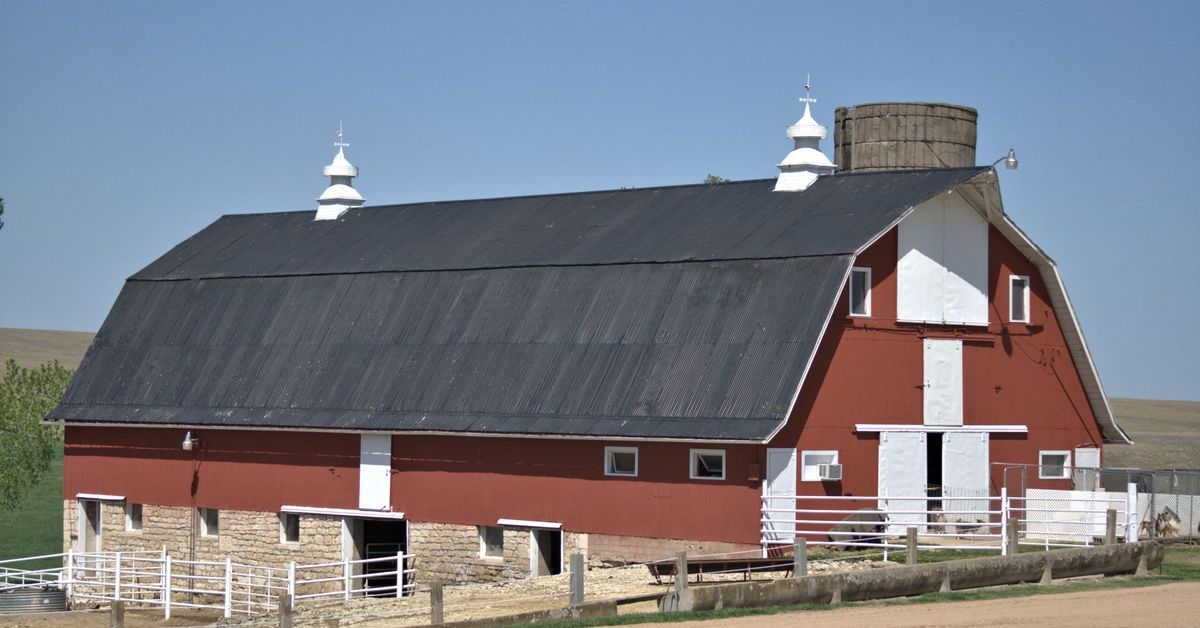
Your pole barn is a significant investment that provides essential space for storage, agriculture, or recreational activities. A structured maintenance routine is crucial to extend the lifespan of this asset and keep it looking its best.
Below, we’ll provide some tips on maintaining every part of your building, from the foundation to the roof. Dedicating a small amount of time to these tasks throughout the year will safeguard your investment and guarantee that your pole barn remains a durable, reliable, and functional space. Let’s explore how to keep your pole barn in excellent condition.
Inspect the Building’s Foundation
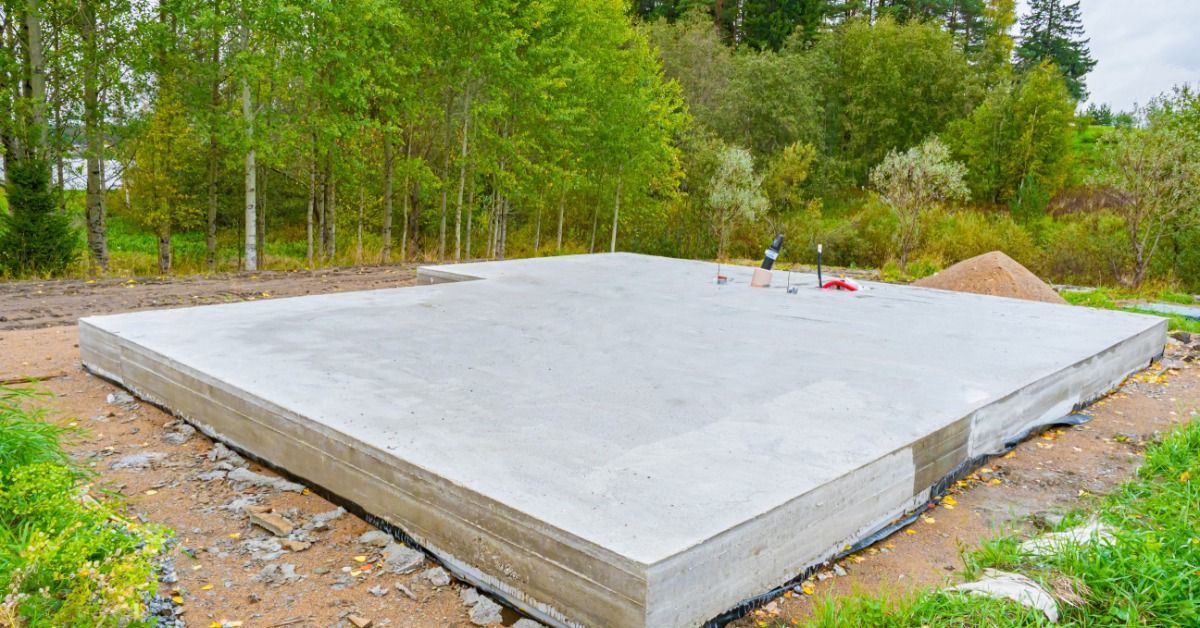
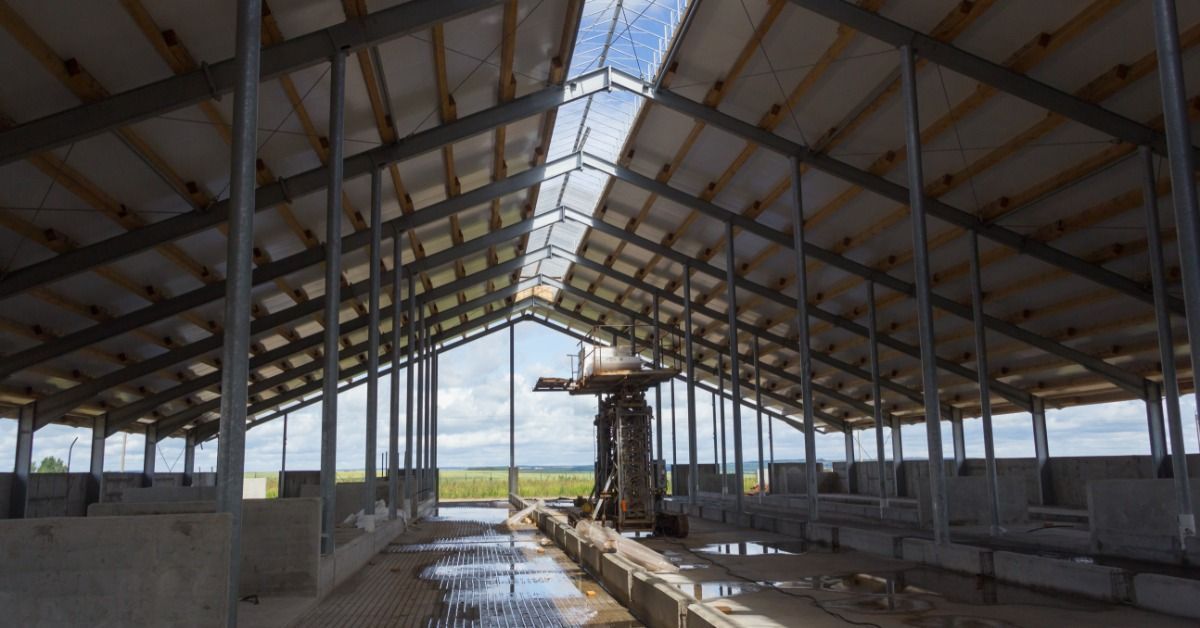
Your pole barn’s stability starts from the ground up. The foundation, which consists of posts set deep into the ground, supports the entire structure. Regularly inspect the base of each post for any signs of shifting, decay, or moisture damage. Look for soil erosion around the posts, as this can expose them to the elements and compromise their integrity.
Ensure the ground around your barn slopes away from the building. Proper grading prevents water from pooling near the foundation, which is a leading cause of post rot and structural weakness. If you notice water accumulating, consider adding gravel or soil to redirect the flow. Check for cracks in the concrete slab if you have one, as these can allow moisture to seep underneath and affect the posts. A solid foundation is necessary for a long-lasting pole barn.

Check for Leaks and Water Damage
Water is one of the biggest threats to any building, and pole barns are no exception. Routinely inspect the interior and exterior for signs of leaks. On the inside, look for water stains on the walls, ceiling, or floor. Pay close attention after heavy rain, as this is when new leaks often reveal themselves. Check around common points of water entry, such as windows, doors, and roof vents.
On the exterior, examine the roof panels and siding for any gaps, loose fasteners, or damaged sections where water could penetrate. Sealants around windows and doors can degrade over time, so inspect them for cracks, and reapply caulk as needed. Addressing even a small leak promptly prevents widespread water damage, mold growth, and costly structural repairs down the line.
Maintain the Roof and Gutters
The roof is your pole barn’s first line of defense against the elements. Schedule at least two roof inspections per year, ideally in the spring and fall. Look for loose or missing screws, dented or damaged metal panels, and any signs of rust. Replace any compromised fasteners immediately to prevent panels from lifting in high winds. If you find rust, sand the area, and apply a rust-inhibiting primer and paint to stop it from spreading.
Gutters and downspouts direct water away from your building. Clogged gutters can lead to water overflowing and saturating the ground near your foundation. Clean them out regularly to remove leaves, twigs, and other debris that can cause blockages. Additionally, ensure downspouts extend several feet away from the barn to discharge water at a safe distance. Check that all gutter sections are securely attached and properly sloped toward the downspouts.
Examine the Siding and Walls
The siding protects your pole barn’s interior and contributes to its overall appearance. Walk around the building, and inspect the walls for any dents, scratches, or holes. For metal siding, these imperfections can expose the underlying material to moisture and lead to rust. Touch up scratches with matching paint to restore the protective layer.
Look for signs of rot, insect damage, or peeling paint in wood siding. Replace damaged boards, and apply a fresh coat of paint or sealant every few years to protect the wood from UV rays and moisture. Keeping the siding in good repair enhances your barn’s curb appeal and fortifies its defense against weather and pests.
Service the Doors and Windows
Doors and windows are high-traffic components that require regular attention to function correctly. Check that all doors, including large sliding or overhead doors, open and close smoothly. Lubricate hinges, tracks, and rollers to prevent them from sticking or squeaking, and inspect the weatherstripping around all doors and windows to ensure a tight seal. Damaged weatherstripping can let in drafts, moisture, and pests, and it can reduce your building’s energy efficiency.
Look for any cracked or broken glass panes in your windows, and replace them promptly. You also want to ensure all locks and latches are in working order to maintain security. Performing maintenance on doors and windows increases their security, usability, and insulation.
Manage Ventilation and Airflow
Proper ventilation is essential for controlling moisture and temperature inside your pole barn. Without adequate airflow, condensation can build up on interior surfaces, causing mold, mildew, and rust. Check that all vents, including ridge vents and soffit vents, are clear of obstructions such as bird nests or debris.
You may need to improve your ventilation system if you notice persistent condensation. Adding more vents or installing fans can circulate the air and reduce humidity levels. Good airflow protects the structural integrity of your barn and creates a healthier environment for animals or equipment stored inside.
Implement Pest Control Measures
Pests can seriously damage pole barns. Rodents can chew through wiring and insulation, while insects such as termites or carpenter bees can compromise wooden structural elements. Regularly inspect for signs of pest activity, such as droppings, nests, or damaged wood.
Seal any potential entry points, such as gaps in the siding or foundation, to keep pests out. Consider setting traps or using bait if you have an existing rodent problem. Professional treatment may be necessary for wood-boring insects. An effective pest control strategy is a key part of long-term pole barn maintenance.

Conduct Regular Electrical and Plumbing Checks
You must periodically inspect your pole barn’s electrical wiring or plumbing if it has these systems. Check all outlets and light fixtures to ensure they work correctly. Look for any frayed wires or signs of rodent damage, as these can create a serious fire hazard.
Inspect pipes and faucets for leaks. In colder climates, you must properly winterize your plumbing system to prevent pipes from freezing and bursting. If you are not comfortable inspecting these systems yourself, hire a qualified professional to ensure everything is safe and up to code.
Start With CKR Pole Buildings & Barns
Keeping your pole barn in excellent condition is the best way to maximize its value and longevity. Create a seasonal maintenance checklist, and address issues as they arise to ensure your structure remains safe, functional, and visually appealing for years. If you’re planning a new structure, work with a builder who prioritizes quality materials and expert construction to provide a strong foundation for easy maintenance.
At CKR Pole Buildings & Barns, we are committed to delivering superior craftsmanship and customer-focused solutions. Our team uses high-quality materials and proven construction techniques to provide durable, reliable custom pole buildings in Kentucky that meet your needs. Contact us today to discuss your project, and discover how our local expertise can bring your vision to life.