What Affects the Life Expectancy of a Pole Barn?
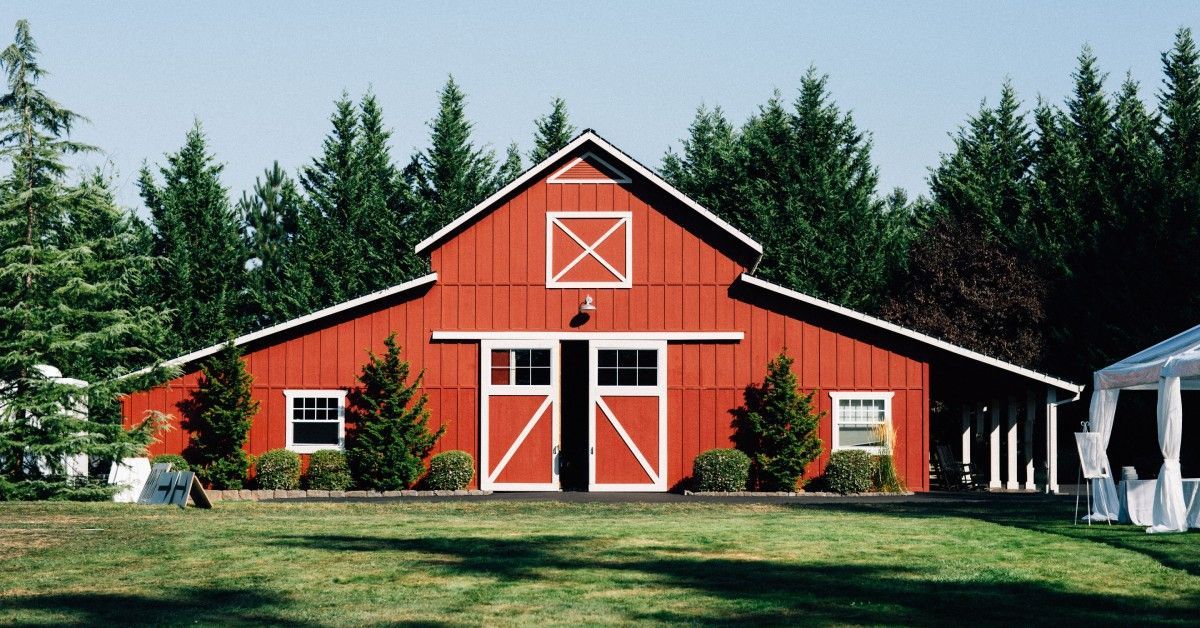
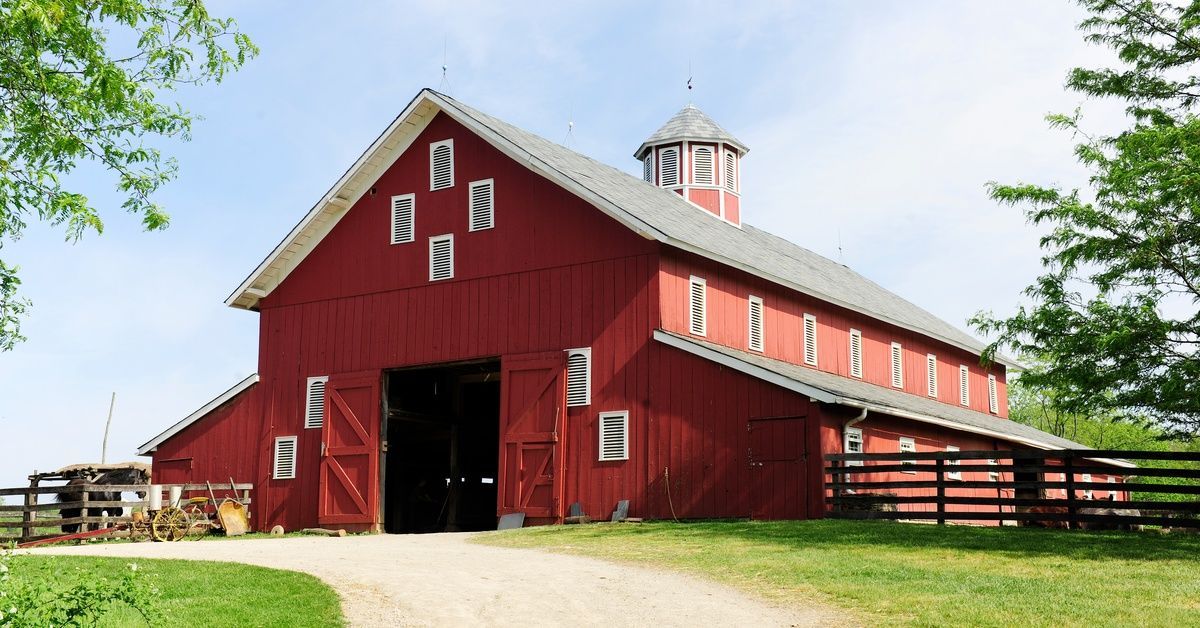
Pole barns protect valuable equipment, house animals, and even serve as long-term living spaces. It’s natural that people wonder about their longevity when they’re so vital to their livelihoods and well-being. The truth is, a mix of design decisions, materials, site conditions, and long-term care all affect the life expectancy of a pole barn. These structures can remain functional and attractive for decades when builders and owners address these factors early.
If you’re in the planning phase for your pole barn, understanding what influences longevity can help you make smarter choices before construction begins. It pays to look at how today’s decisions will affect performance 10, 20, or even 40 years down the road.
The Quality of the Building Materials
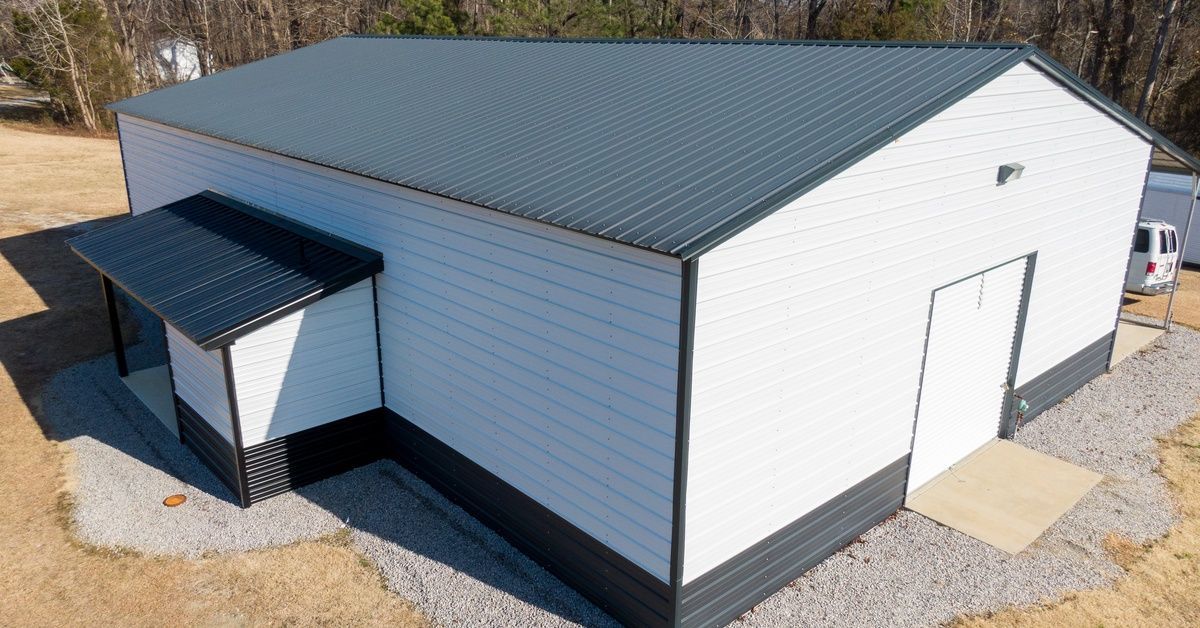
Material quality largely determines how long a pole barn lasts. Pressure-treated posts, for example, resist rot and insect damage far better than untreated wood. Steel siding and roofing with proper coatings also protect against rust, fading, and moisture intrusion over time.
Lower-grade materials might reduce initial costs, but they often shorten the structure’s lifespan. Thinner steel panels dent more easily and fail sooner under wind or snow loads. Meanwhile, lumber that lacks proper treatment can decay at ground contact points, which threatens the entire frame. Make sure to invest in proven, high-quality materials to build a strong starting point for long-term durability.
Proper Site Preparation and Drainage
Even the best materials cannot overcome poor site conditions. Water management around a pole barn affects how long it will stand. Sites that allow water to pool around posts or flow toward the building increase the risk of rot, erosion, and foundation movement.
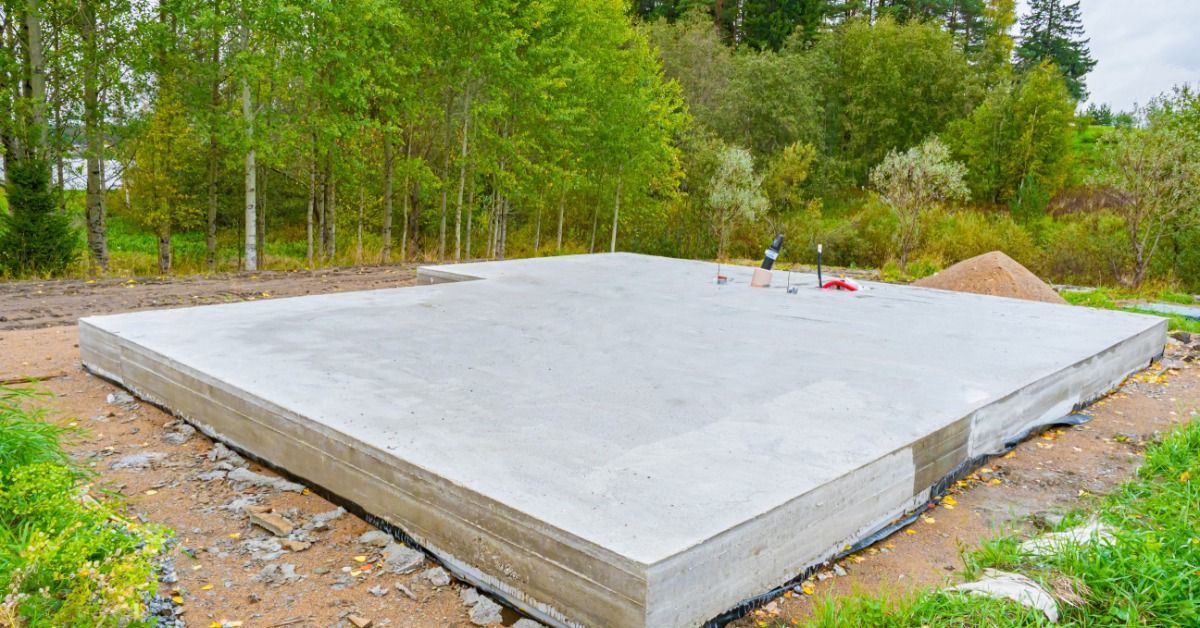
Good site preparation includes grading the land to direct water away from the structure. Builders often install gravel pads or compacted bases to improve drainage and stability. When water moves away efficiently, posts remain dry longer, and the structure avoids unnecessary stress. Over decades, this difference matters more than many owners expect.
Post Installation and Ground Contact Protection
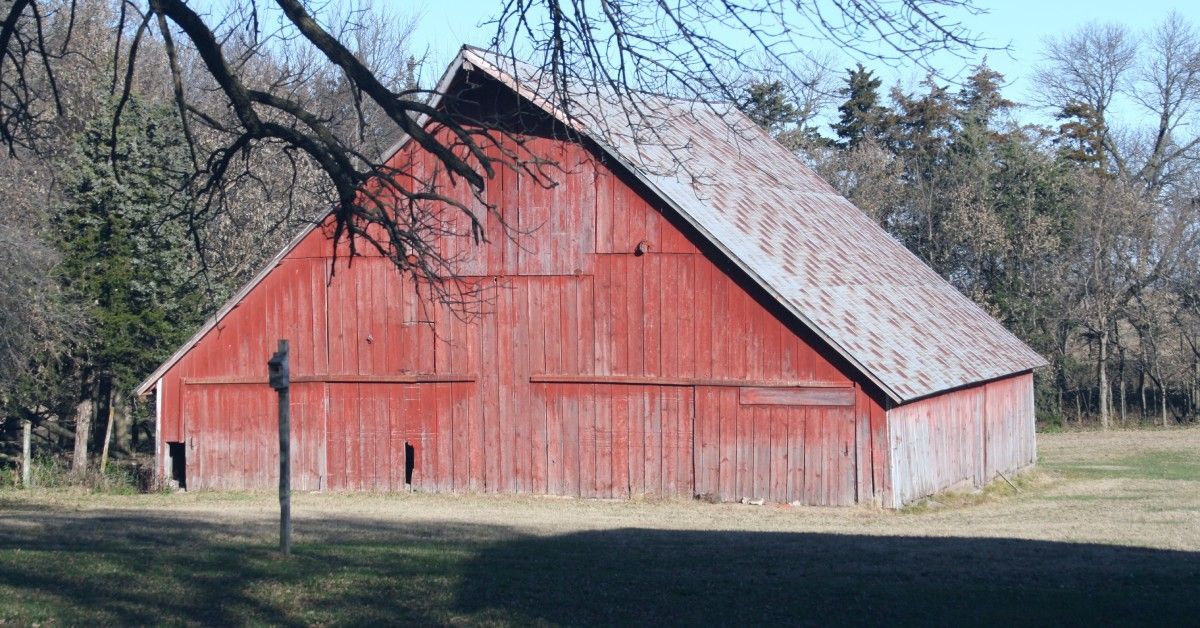
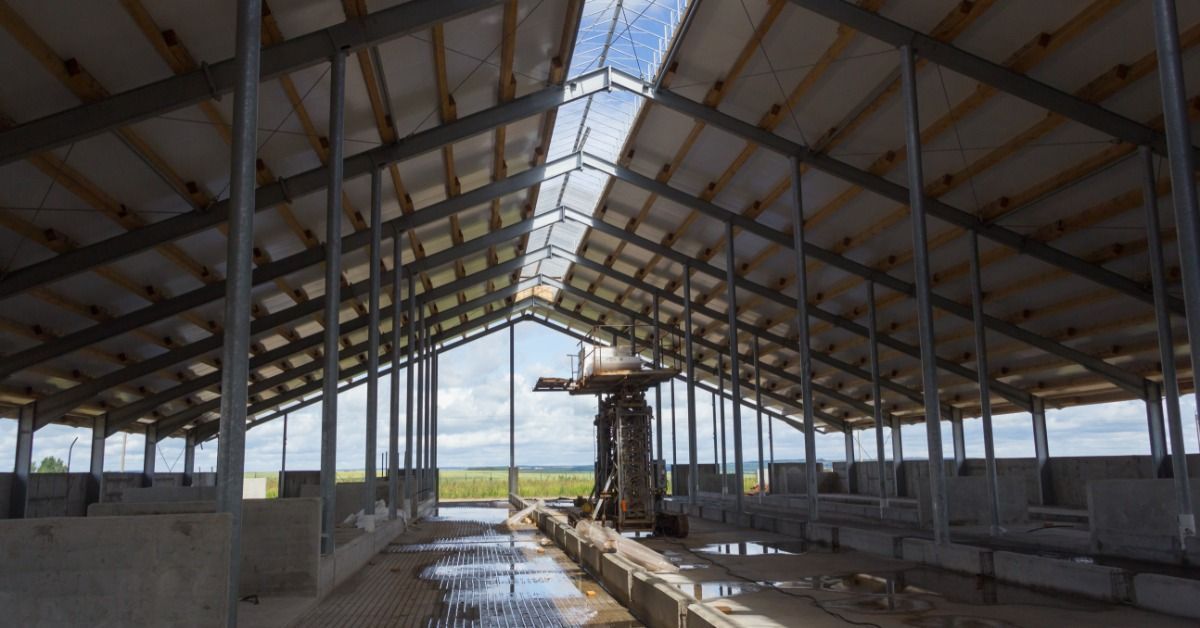
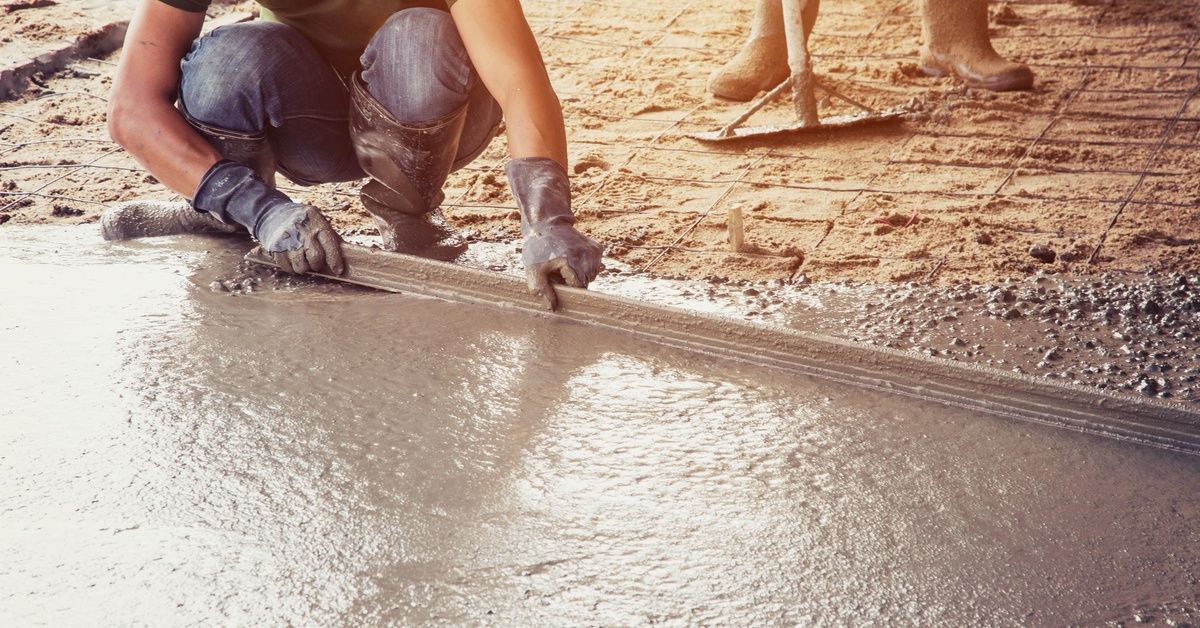
Posts anchor the pole barn to the ground and support the weight of the roof and walls. Builders must set posts at proper depths to handle frost heave, soil movement, and load demands. Shallow or poorly compacted post holes can cause shifting and uneven settling.
Ground contact protection also impacts longevity. Modern pressure-treated posts resist decay, but additional measures such as concrete collars or gravel backfill improve performance. These methods reduce prolonged moisture exposure and help posts stay solid over time. The entire structure benefits when posts remain stable.
Roof Design and Weather Resistance
The roof shields the pole barn from sun, rain, snow, and wind. Its design and installation influence life expectancy. Roof pitch determines how quickly water and snow shed from the surface. Low slopes may hold moisture longer, which increases wear on panels and fasteners.
Fastener quality and placement are also important. Improperly installed screws allow water intrusion, which can result in corrosion or interior damage. Over time, repeated freeze-thaw cycles worsen small leaks. A well-designed roof system minimizes these risks and extends the usable life of the building.
Climate and Environmental Conditions
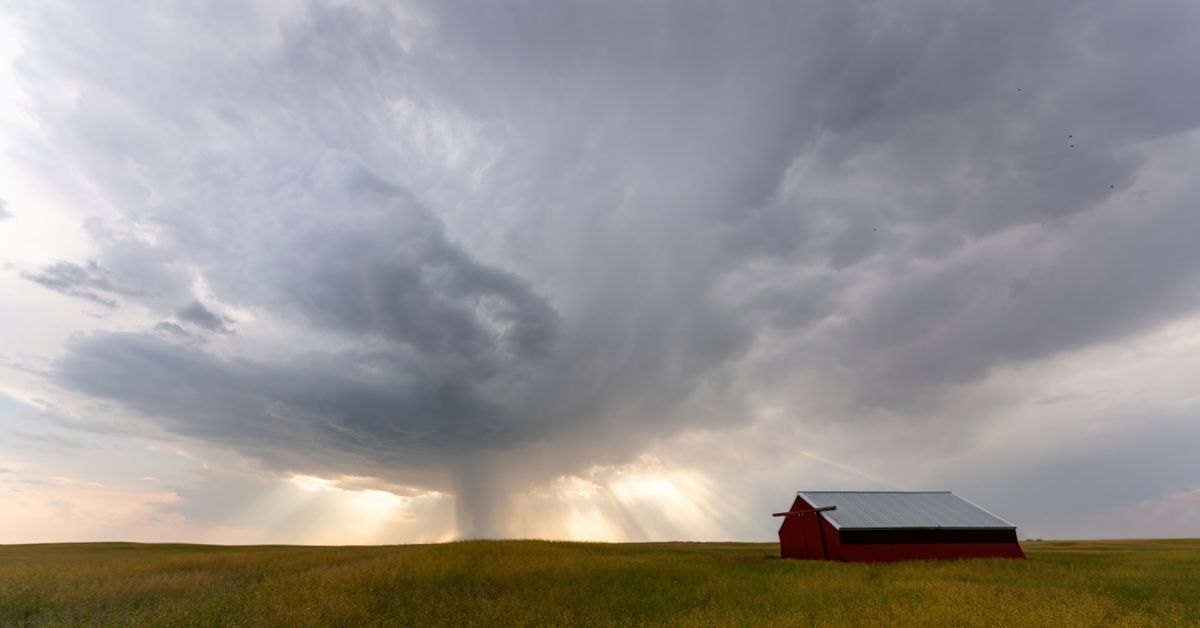
Local climate is a major factor in how long a pole barn lasts. Structures in areas with heavy snow loads require stronger framing and roof systems, while high winds demand proper bracing and anchoring. Moisture control is a high priority in humid regions.
Kentucky’s climate combines humidity, seasonal storms, and frequent temperature swings throughout the year. These shifts cause building materials to expand and contract, which can loosen fasteners and weaken joints over time. Pole barns designed with these environmental realities in mind tend to maintain their strength and appearance longer than those built to generic standards.
Maintenance and Ongoing Care
No building lasts forever without maintenance. Regular inspections catch small issues before they escalate. Loose fasteners, damaged panels, or clogged gutters can shorten a building’s life if you do not address them.
Owners who commit to basic upkeep often see their pole barns last far longer than expected. Maintenance does not require constant work, but it does require attention. Simple habits will protect your investment and preserve structural integrity.
Helpful maintenance practices include:
- Checking roofing and siding for damage after severe weather
- Keeping vegetation trimmed away from posts and walls
- Clearing gutters and ensuring proper drainage
- Addressing minor repairs promptly
These steps support long-term performance without adding high cost or effort.
Interior Use and Structural Loads
The pole barn’s use affects how long it lasts. Buildings designed for light storage may struggle if owners add heavy equipment or living spaces without upgrades. This is because additional loads stress posts, trusses, and connections.
Proper planning prevents these issues. Builders design structures based on intended use, whether for agricultural storage, workshops, or residential purposes. It’s important to communicate your plans early so builders can size components accordingly. That foresight will protect the building from premature wear or failure.
Craftsmanship and Construction Practices
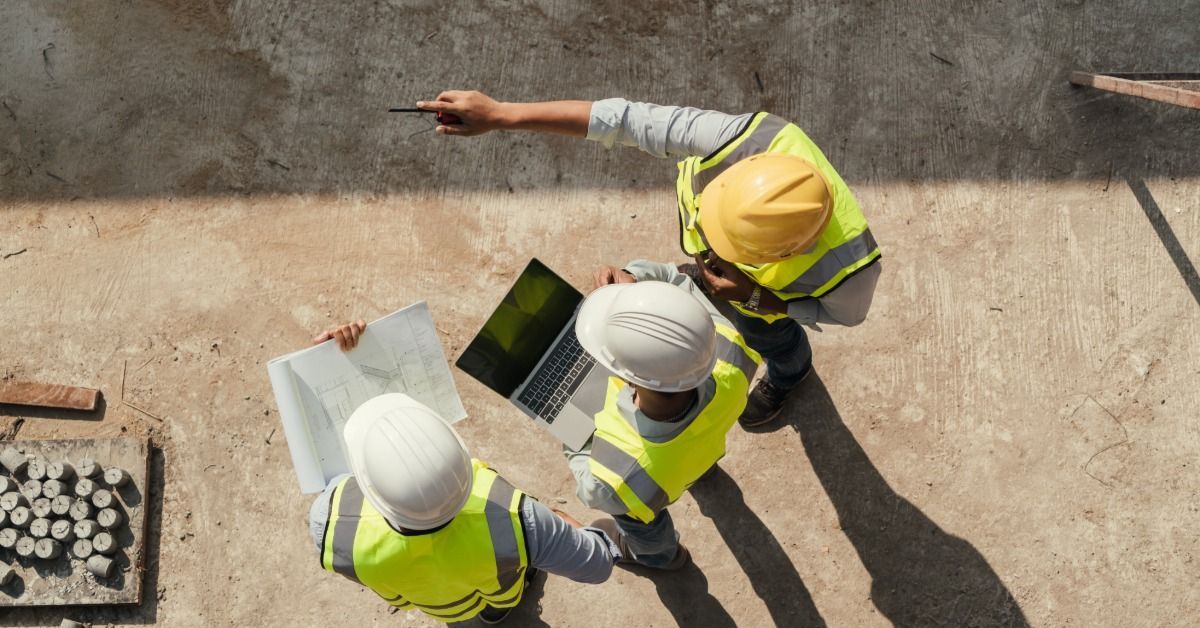
Even high-quality materials fail when builders install them incorrectly. Craftsmanship influences everything from post alignment to roof sealing. Experienced builders follow proven construction practices that support long-term performance.
Builders must pay attention to detail at every stage. Accurate measurements ensure loads are distributed evenly, while proper fastening prevents movement and leaks. Clean workmanship also reduces hidden issues that might appear years later. Skilled construction often makes the difference between a pole barn that lasts 20 years and one that lasts 50.
Adaptability and Future Improvements
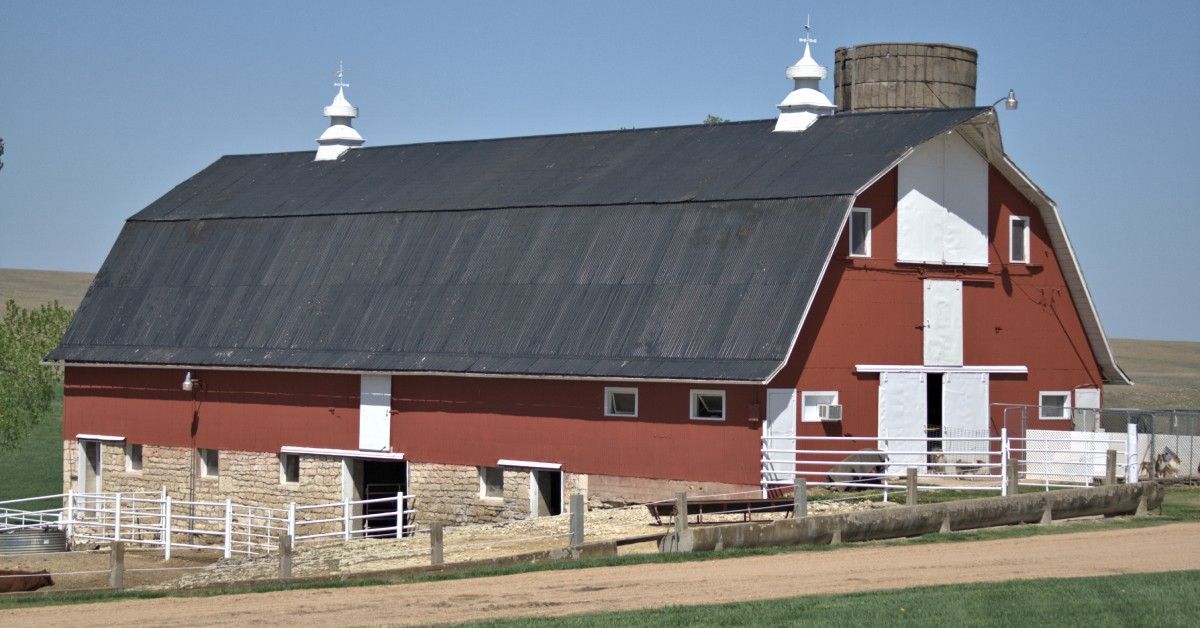
Buildings that allow for upgrades tend to last longer. Owners may want to add insulation, interior finishes, or mechanical systems later. Structures designed with adaptability in mind handle these changes without compromising integrity.
Future improvements also include replacing components such as roofing or siding. Owners can refresh the building when the original design supports these updates. This adaptability extends its useful life since it prevents replacing the structure prematurely.
The Long-Term Value of Smart Decisions
Pole barn longevity relies on a series of smart decisions before and after construction. Each factor builds on the others: Quality materials support good craftsmanship, proper site preparation protects strong posts, and ongoing maintenance preserves everything over time.
Owners should think beyond the build date because a well-planned pole barn is a long-term asset. With the right approach, you can mitigate the factors that affect the life expectancy of your pole barn so it can serve your family, farm, or business for generations.
If you’re looking for pole barn home builders in KY, start with a builder who values durability as much as design. CKR Pole Buildings & Barns can guide you through materials, site planning, and construction choices that support long-term performance. Contact us today to discuss your goals and build a pole barn that will last.