Designing a Horse Barn? Don’t Make These Mistakes
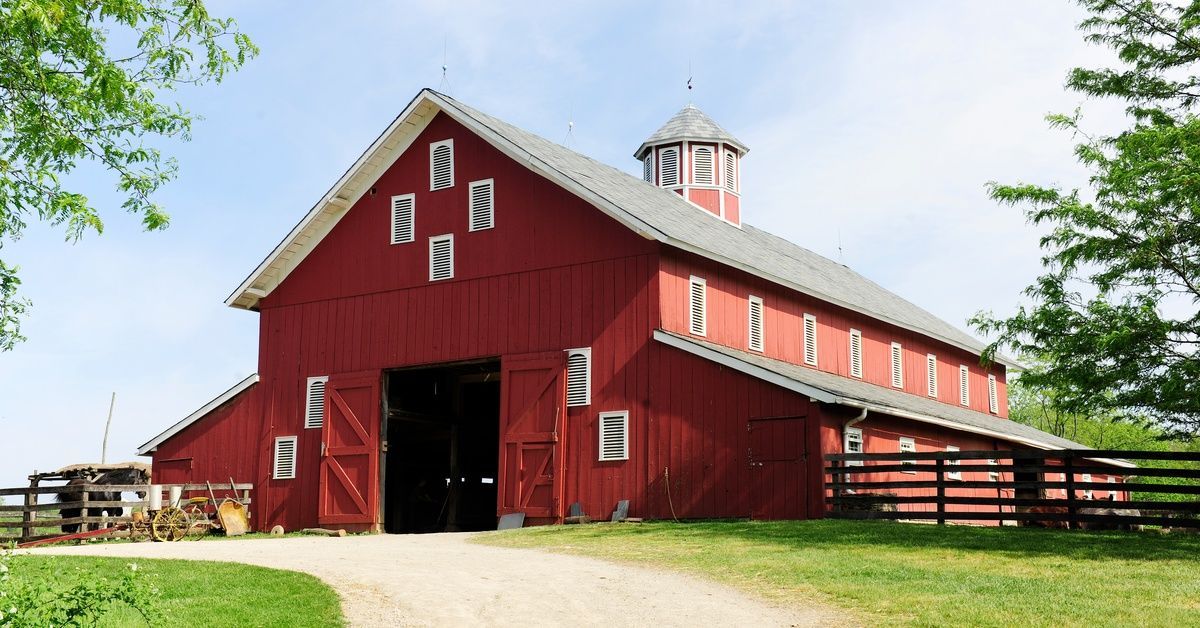
Picture your ideal morning routine. You’re moving efficiently from stall to stall; everything is where it should be, and your horses are calm and comfortable. Now picture the alternative. The entryway is a muddy obstacle; you miss a swollen leg in dim lighting, and you’re scrambling back and forth across the aisle a dozen times before breakfast.
The difference between those two mornings lies in early decisions. Building a horse barn is a major investment, and the choices you make on paper determine whether that investment pays off or creates daily frustration. If you’re designing a horse barn, don’t make these mistakes.
Overlooking Your Horses’ Daily Needs
Many people begin with the building’s appearance. A better starting point is to consider how your horses live. They need room to lie down, turn comfortably, and move without feeling confined. Standard stall sizes typically range from 10x10 to 12x12 feet, but larger breeds or horses that spend a lot of time indoors require additional space. Low ceilings create ventilation issues and make the barn feel cramped for horses and handlers, so be sure to address that early.
Think through your feeding schedule, turnout plan, grooming routine, and cleaning habits before finalizing any dimensions. Designing around your daily patterns will support efficiency and keep your horses calmer throughout the day.
Ignoring Proper Ventilation
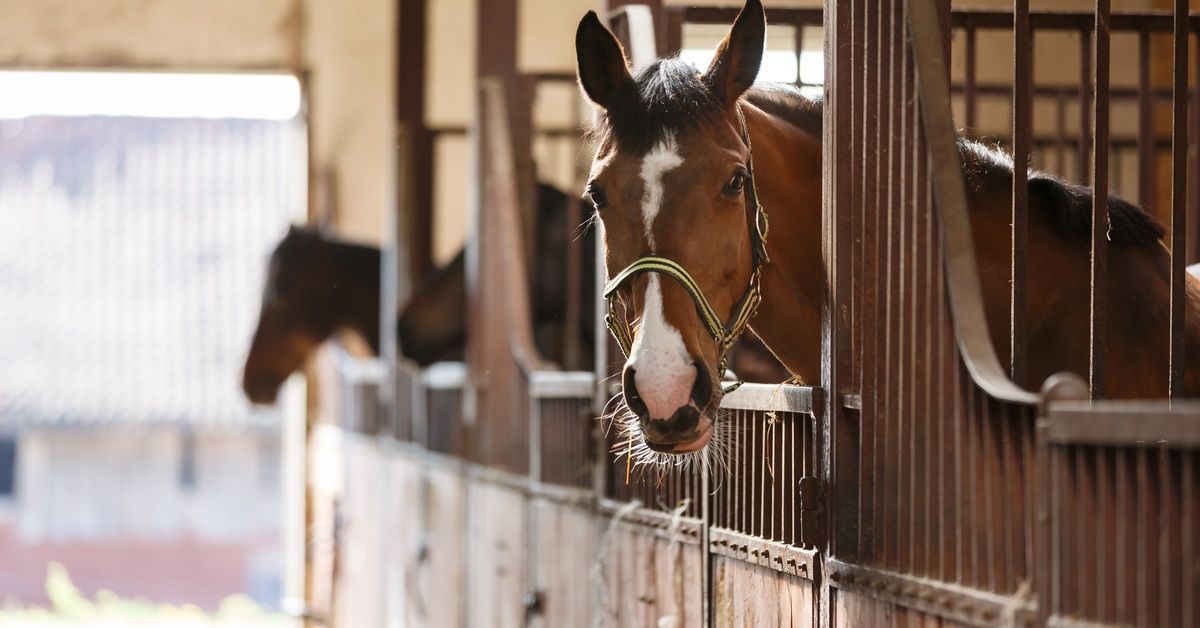
The effects of poor ventilation accumulate quickly and can impact equine health. Without steady airflow, ammonia from urine and dust from bedding can irritate the respiratory system and contribute to chronic health problems.
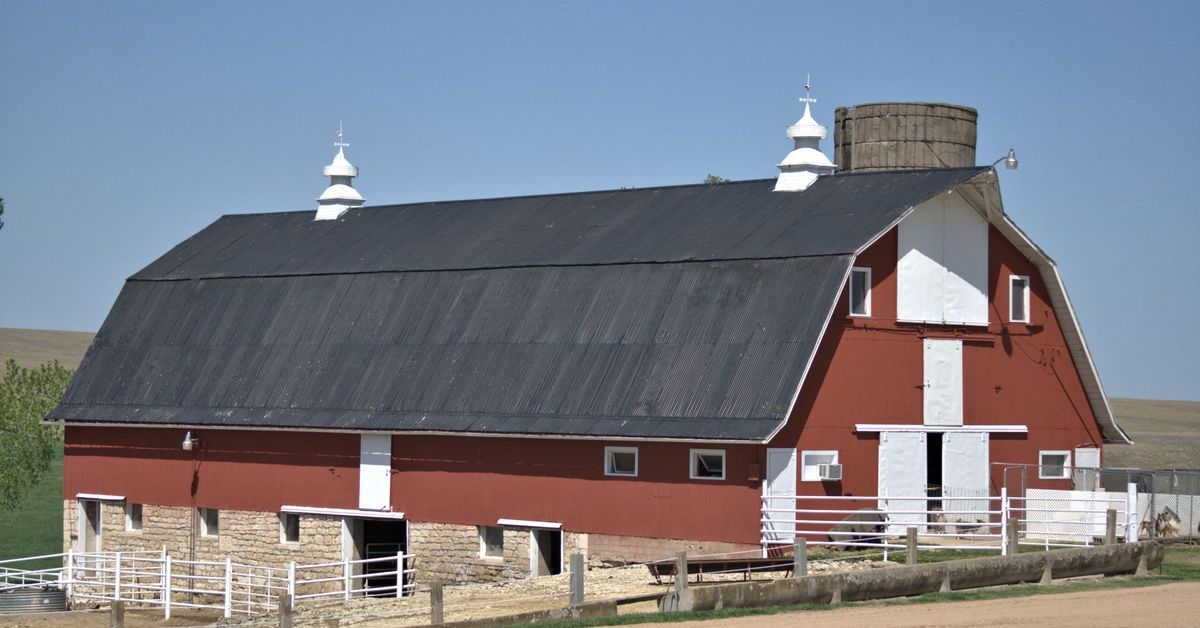
Ridge vents, cupolas, soffit vents, and strategically placed windows allow fresh air to circulate without creating drafts. High ceilings improve airflow and regulate temperature year-round. Good ventilation also reduces moisture buildup and keeps bedding drier, which makes stall maintenance easier and less frequent. Build it into the structure from the beginning so you don’t need to address it after construction.
Choosing the Wrong Layout
A barn can look impressive on paper yet function poorly in practice. Layout determines how easily you move through daily chores and how safely horses navigate the space. Center aisles should measure at least 12 feet wide so horses can pass safely without crowding. Feed rooms, tack rooms, and wash areas should sit in logical proximity to stalls without cluttering high-traffic zones. Eliminate any tight corners that force sharp turns with horses in hand.
Mentally walk through your day before finalizing anything. If the layout requires constant backtracking or creates bottlenecks during busy morning routines, revise it before construction.
Forgetting About Drainage
Water causes long-term structural and safety problems when you don’t account for drainage. Muddy entrances, standing water near doorways, and damp foundations increase maintenance costs and create slipping hazards that put horses and handlers at risk.
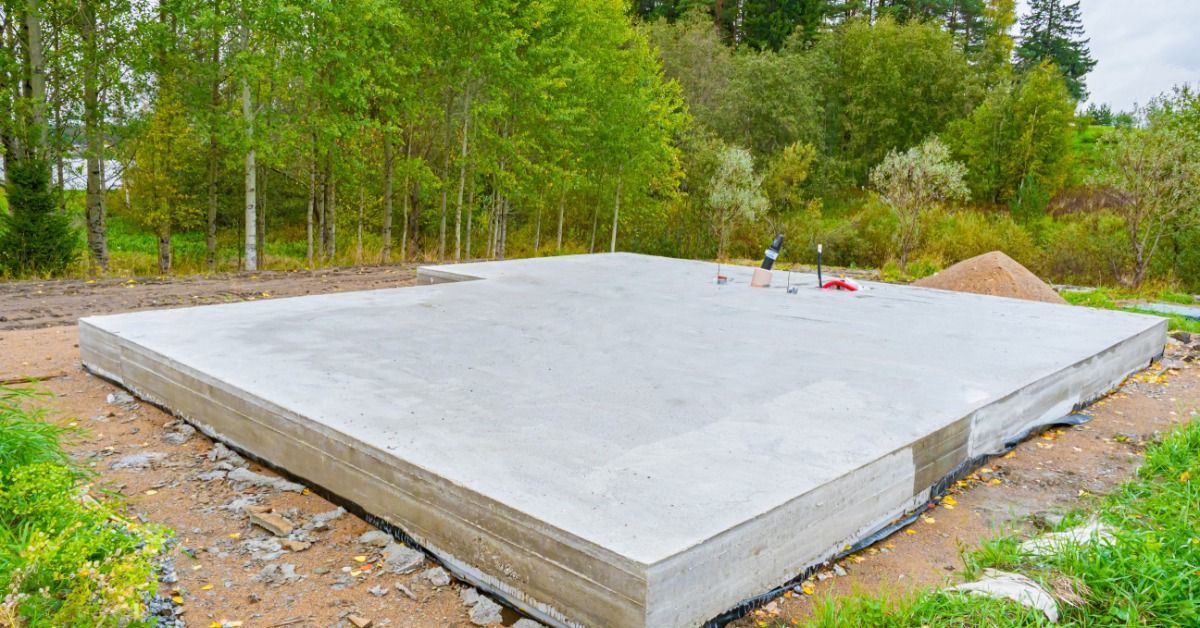
Select a building site with natural elevation so rainwater flows away from the structure. Install gutters and downspouts that direct runoff away from doors and high-traffic areas. Slope floors gently toward drains in wash racks to prevent pooling after hosing down. Proper drainage rarely gets noticed when it’s done right and creates constant problems when it isn’t.
Skimping on Lighting
Poor lighting affects safety and horse behavior. Dim barns create shadows that cause horses to spook and make it harder to detect injuries, skin conditions, or subtle signs of illness during daily checks.
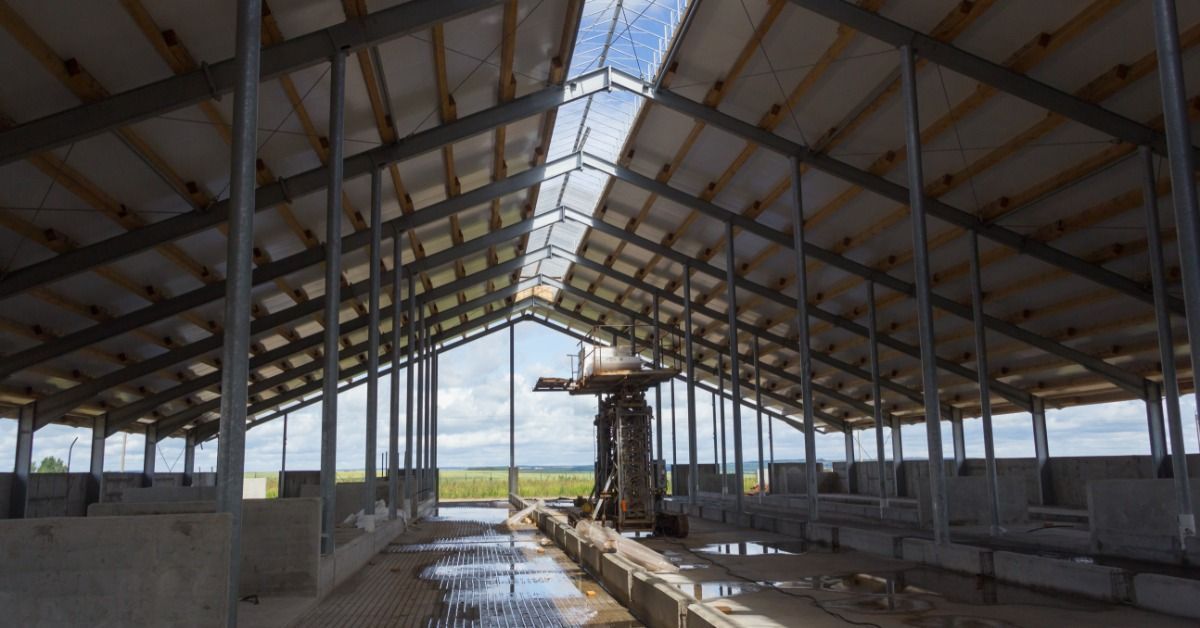
Incorporate natural light wherever possible through windows, translucent roof panels, or open eaves. Supplement daylight with evenly spaced overhead fixtures that eliminate dark corners throughout the aisle and individual stalls. Consistent, bright lighting improves visibility during grooming, tacking, and veterinary care.
Underestimating Storage Needs
Storage shortages create clutter. Tack, feed, bedding, supplements, and equipment accumulate quickly. Without a clear system, these items will spill into aisles and corners and become tripping hazards and fire risks. Plan for more storage than you currently need, particularly if you anticipate adding horses or expanding your operation. A solid storage plan typically includes the following:
- A dry, secure feed room
- A separate, ventilated tack room
- Dedicated hay storage positioned away from stalls
- Organized space for tools and maintenance equipment
An organized storage system will simplify daily chores and keep your barn safe.
Failing To Plan for Growth
Your needs will likely change over time. You might add horses, expand training activities, take on boarders, or simply find that your original setup no longer matches how you use the property. Designing without that possibility in mind is one of the more common (and more costly) mistakes that barn owners make.
Leave room on your site for future expansion, or choose a structural system that accommodates additions without major demolition. Many property owners choose a farm pole barn design for this reason. The wide-open spans and straightforward construction make reconfiguration and expansion more practical than with traditional framing. Planning for growth prevents disruptive renovations.
Using Low-Quality Materials
Horses test every surface in a barn. They chew wood, kick walls, lean against partitions, and subject the structure to daily wear that most buildings never experience. Weak materials fail quickly under that pressure, and replacement costs add up.
Choose durable lumber, sturdy hardware, and roofing designed for your regional climate. Materials must resist rot, corrosion, and expansion without constant attention in areas with humidity and seasonal temperature swings. Strong construction reduces long-term repair costs, keeps horses safer, and extends the life of the structure. This makes the upfront investment in quality materials a smart decision early in the process.
Overlooking Safety Details
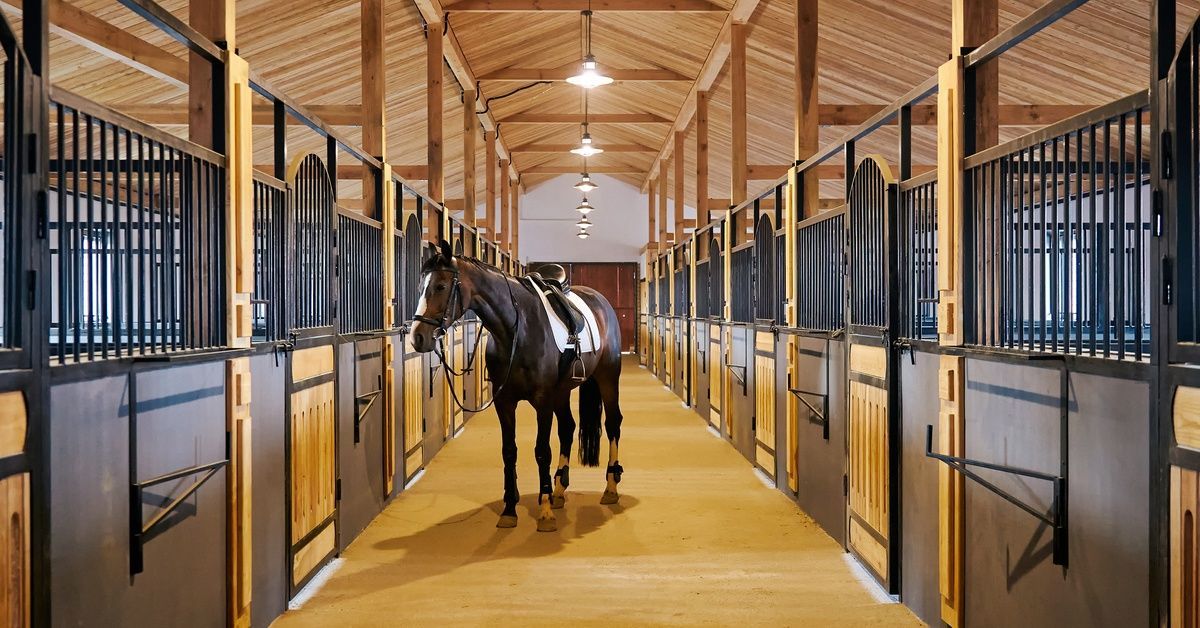
Safety in a horse barn depends on dozens of small decisions. Nonslip flooring in wash racks and entryways prevents falls during wet conditions. Wiring protected inside a conduit resists chewing and reduces fire risk. Smooth, rounded edges in stalls and doorways eliminate the sharp surfaces that cause lacerations during normal movement, while hay stored separately from stalls lowers the risk of fire spreading through the structure.
None of these details are complicated on their own, but each requires deliberate attention during the design phase. Correcting overlooked safety issues is expensive and disruptive once the barn is built.
Build a Practical Horse Barn for Daily Life
Every decision in horse barn design connects to the others. Ventilation affects stall sizing. Layout affects drainage. Lighting affects safety. Approach the process with the big picture in mind to get the best results.
If you’re designing a horse barn in Central Kentucky or a nearby area, work with CKR Pole Buildings & Barns to ensure you don’t make mistakes. We help property owners design customized structures that fit their land, goals, and daily routines. Contact us today to discuss your vision and build a horse barn that works as hard as you do.