How To Turn a Pole Barn Garage Into a Multiuse Space
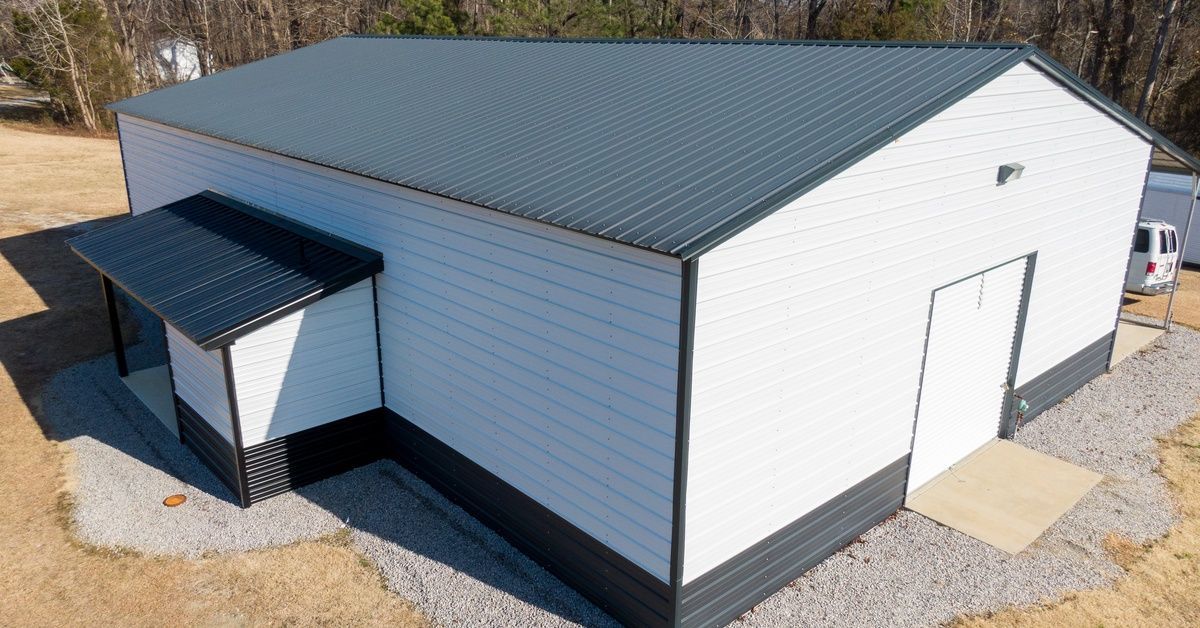
A pole barn garage offers more than simple storage when you approach it with a clear plan. Its open layout and structural flexibility make it a strong candidate for multiple uses. Many property owners want a space that supports work, storage, and recreation without building separate structures. When you understand how to align design decisions with your needs, turning a pole barn garage into a multiuse space becomes a practical and achievable goal.
Start With a Clear Plan for Use
Every successful transformation begins with a defined purpose. Without a clear direction, it becomes difficult to make decisions about layout, materials, and upgrades. Take time to map out how you expect to use the space on a daily and seasonal basis.
Think through each activity you want the building to support and how often you will use it. Some uses may require dedicated areas, while others can share space with minimal adjustments. Identifying these needs early reduces the risk of overcrowding or underutilized areas. This planning step creates a foundation that supports every improvement that follows.
Improve Insulation and Climate Control
Comfort affects how often you will use the space. A pole barn garage without insulation will experience temperature fluctuations, which can limit its usefulness. Addressing insulation early ensures that the building remains functional throughout the year.
Install insulation in walls and ceilings to regulate indoor conditions. This will maintain consistent temperatures and reduce strain on heating and cooling systems. Proper ventilation controls moisture and improves air circulation. Combine insulation, ventilation, and climate control systems to create a stable environment suited for multiple activities.
Upgrade Electrical and Lighting Systems
A standard garage setup often lacks the electrical capacity needed for a multiuse environment. As you expand the building’s function, your demand for power will likely increase. Plan for electrical upgrades early to avoid limitations.
Start by adding outlets in convenient, accessible locations. This supports tools, appliances, and electronics without relying on temporary solutions. You should also consider dedicated circuits for equipment that requires consistent power. In addition, layered lighting improves visibility and usability across different zones. A combination of overhead and task lighting ensures the space is functional for detailed work and general use.
Divide the Space Into Functional Zones
Once you establish your goals and upgrade essential systems, the next step is organizing the layout. An open floor plan offers flexibility, but it can become inefficient without structure. Dividing the space into zones helps you manage different activities without interference.
You can define zones using partial walls, shelving, or changes in flooring. Each area should support a specific function while allowing easy movement between sections. For example, a workspace should be separate from storage to maintain accessibility and order. Creating clear boundaries improves efficiency and comfort without losing the benefits of an open design.
Add Durable and Functional Flooring
Flooring influences how the space feels and performs over time. While concrete provides a solid base, it may not meet the needs of every activity. Upgrading the surface allows you to tailor each area to its intended use.
Choose materials based on how each section will function. Epoxy coatings offer durability and ease of maintenance for work areas. Softer materials, such as rubber flooring, provide comfort in spaces used for exercise or extended standing. You should also prioritize slip resistance to improve safety. When flooring aligns with your needs, it supports both performance and long-term durability.
Maximize Storage Without Clutter
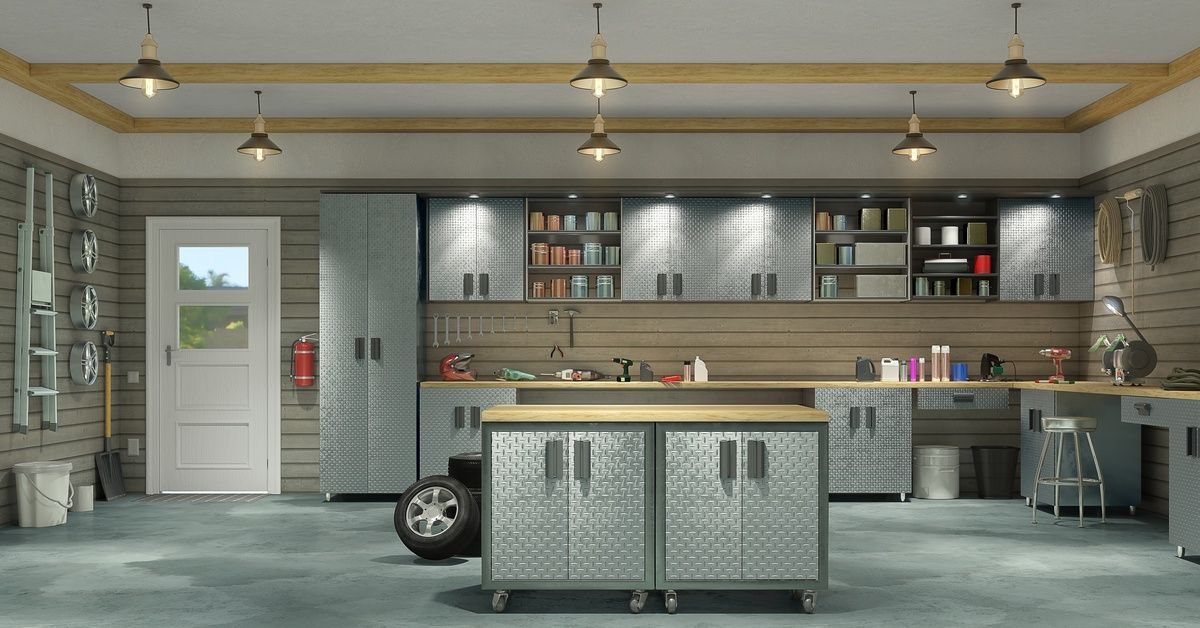
As you expand the function of your pole barn garage, storage becomes more important. Tools and equipment can quickly take over the space without a clear system. Organized storage allows each area to remain functional and easy to navigate.
Use a combination of shelving, cabinets, and overhead systems to manage different types of items. Vertical storage helps you take advantage of wall height, which is often abundant in pole barn structures. Keep frequently used items within reach, and store seasonal or less-used materials in higher or enclosed spaces. The following strategies can help you maintain an organized environment:
- Use wall-mounted shelving to free up floor space.
- Install overhead racks for bulky or seasonal items.
- Choose labeled bins for smaller tools and supplies.
- Incorporate closed cabinets to reduce visual clutter.
Apply these methods consistently so the space remains clean and adaptable to multiple uses.
Incorporate Flexible Design Features
A multiuse space should adapt as your needs change. Fixed layouts can limit functionality, especially if your priorities shift. Including flexible design elements helps you maintain long-term usability without major modifications.
Movable furniture and modular storage systems allow you to adjust the layout as needed. These features support different activities without permanent changes. Sliding partitions or retractable dividers can also provide temporary separation between zones. This flexibility allows you to transition between uses while maintaining an organized environment.
Consider Plumbing and Additional Amenities
Adding plumbing expands the range of activities your pole barn garage can support. While not every setup requires it, certain uses benefit from access to water and sanitation. Evaluating these needs early helps you plan for installation without disrupting other systems.
A utility sink can support cleaning tasks and workshop activities. A restroom improves convenience, especially if you spend extended periods in the space. In some cases, adding a small kitchenette can make the building more suitable for gatherings or extended use. These upgrades increase comfort and functionality when they align with your intended use.
Plan for Specialized Uses
Some projects require features that go beyond general use. When you plan for specialized activities, you can integrate the necessary elements from the beginning. This approach prevents expensive adjustments.
For example, buildings designed to accommodate larger vehicles require specific dimensions and structural considerations. RV pole barns often include increased height, wider door openings, and reinforced flooring to handle additional weight. If you plan to combine storage with other uses, you need to account for these requirements early. A tailored design ensures the space performs as expected without compromise.
Think Long-Term for Value and Usability
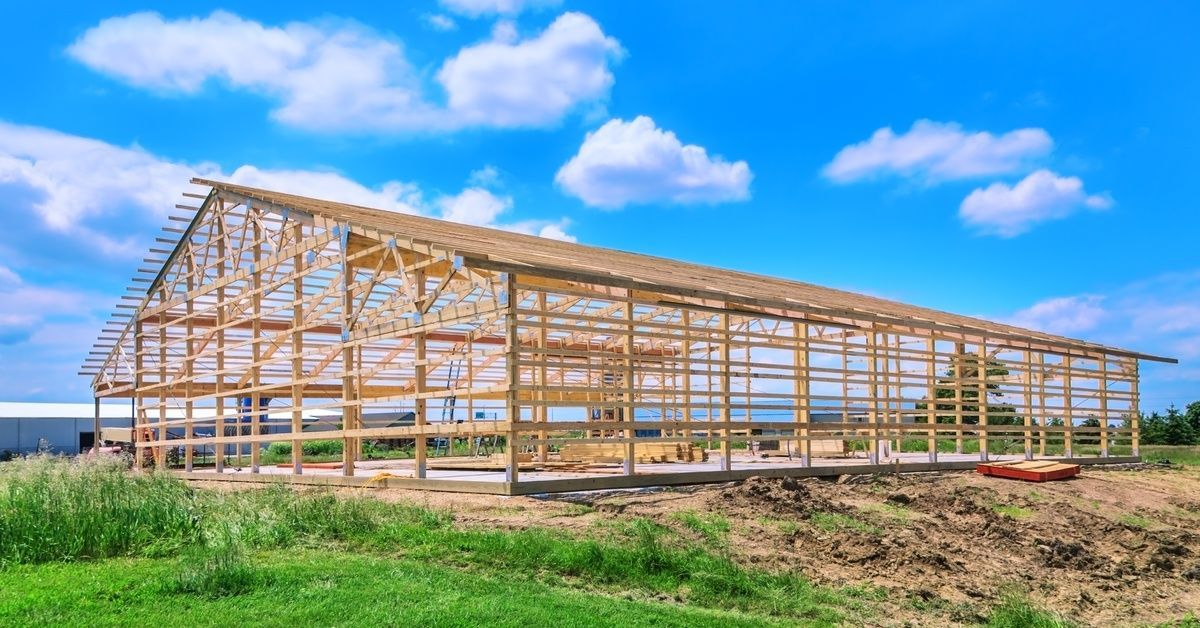
A well-designed multiuse pole barn should continue to serve your needs as time goes on. Short-term decisions can limit flexibility and result in additional costs. Focusing on durability and adaptability helps you avoid these issues.
Select materials and systems that can handle consistent use. Plan layouts that allow for future adjustments without major structural changes. Working with experienced builders can improve the outcome by aligning design choices with your long-term goals. Companies that emphasize customization and attention to detail can help you create a space that performs reliably.
Ready To Transform Your Space?
You can turn a pole barn garage into a multiuse space with clear goals and foresight. Each step, from insulation to layout, contributes to a cohesive and functional environment. By focusing on both immediate use and long-term adaptability, you create a space that remains useful as your needs evolve.
If you want a pole barn garage that supports work, storage, and recreation, partner with CKR Pole Buildings & Barns. We’ll help you develop a plan that ensures every element works together to meet your needs. Reach out today to start building a space that fits your goals and adapts with you.