Roof Leak Prevention Tips for Pole Barn Owners
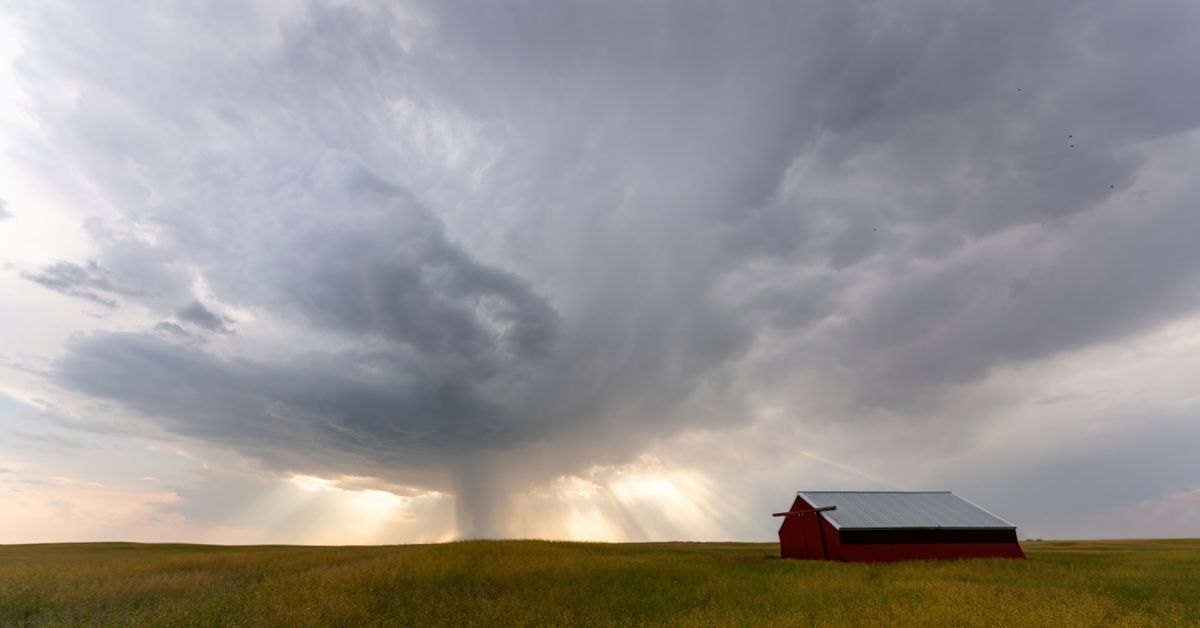
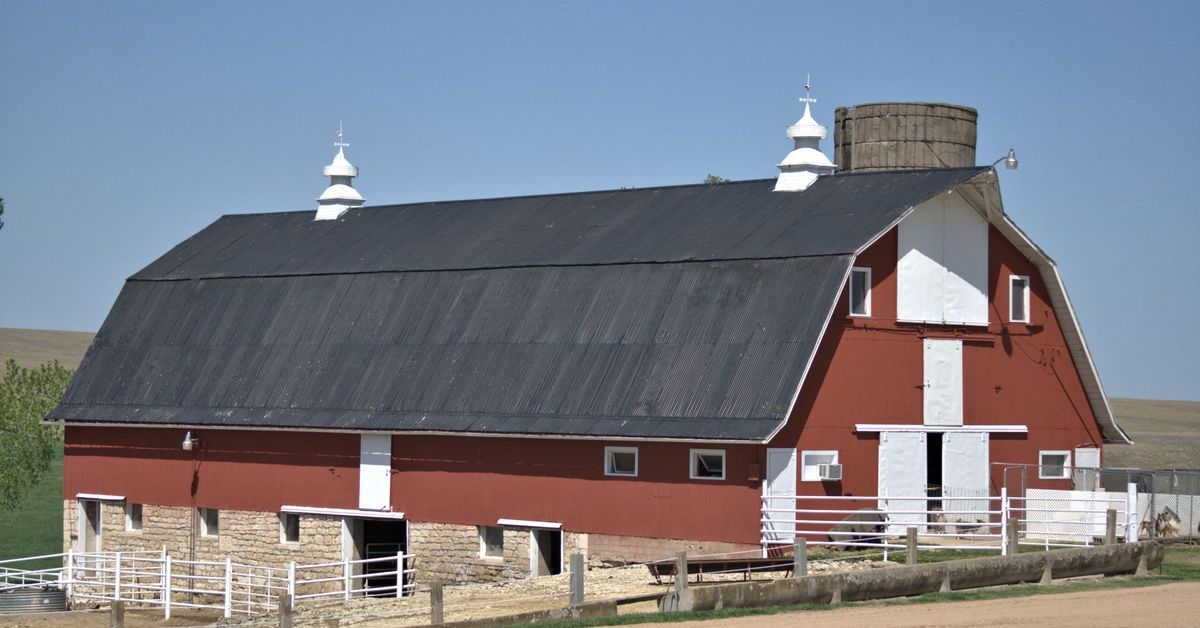
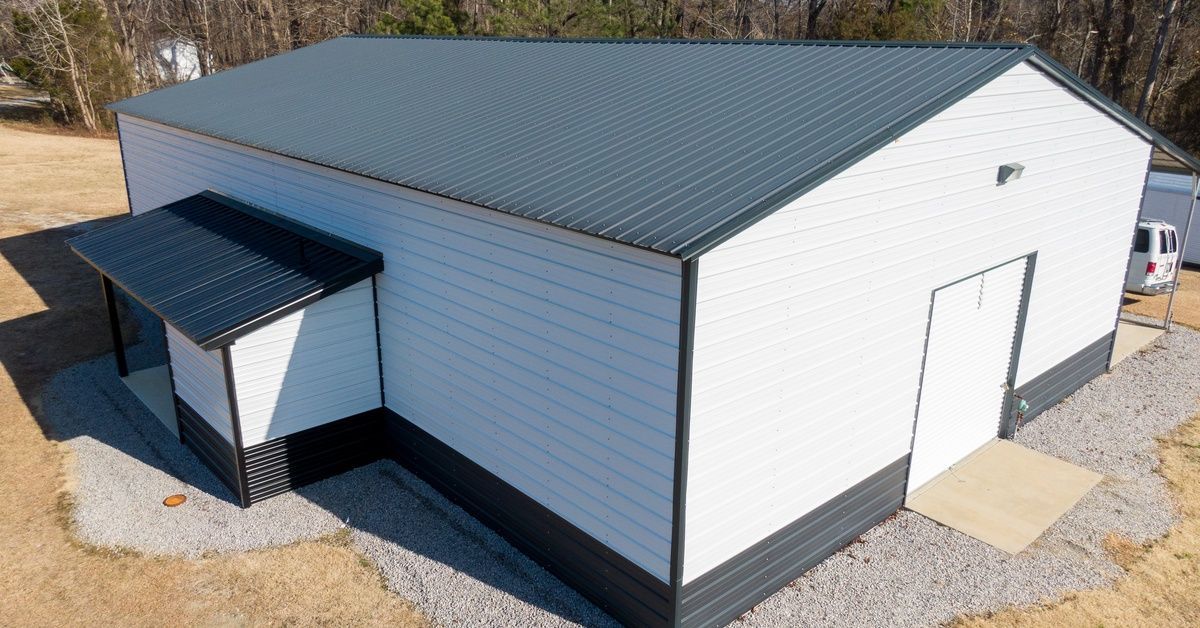
Pole barns offer durable, versatile protection for equipment, livestock, and workspace needs, but their reliability depends on a well-maintained roof. When leaks develop, they damage stored materials, disrupt operations, and result in costly repairs. Many problems begin as minor issues that owners don’t notice until water intrusion makes them obvious. Performing proactive maintenance will protect your pole barn and prevent major structural damage. Here are our roof leak prevention tips for pole barn owners.
Start With Regular Roof Inspections
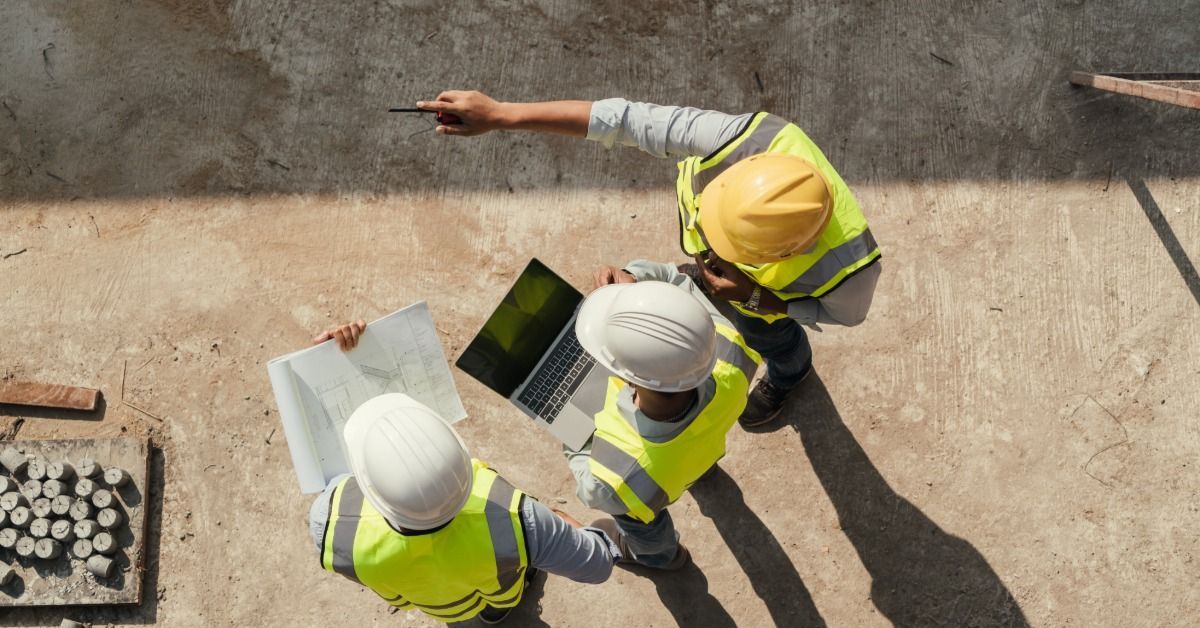
Most roof leaks develop gradually as weather conditions stress vulnerable components. Scheduling consistent inspections, particularly after heavy rain, snow, or windstorms, allows you to catch problems early. These preventive checks cost nothing but time and can save thousands in repair expenses.
During each inspection, examine fasteners, flashing, panels, and sealants. Loose or missing fasteners create entry points where water can penetrate, and these small openings expand as moisture freezes and thaws. Flashing directs water away from ridges, vents, and edges, so any damage in these areas increases leak risk. Metal panels shift or warp with temperature fluctuations, while aging sealants lose their waterproofing effectiveness.
Regular inspections also reveal how your roof changes over the seasons. Temperature variations cause materials to expand and contract, gradually loosening components even when the installation quality was excellent. By monitoring these natural shifts, you can tighten fasteners and replace worn materials before water finds its way inside.
Keep Water Moving Off the Roof
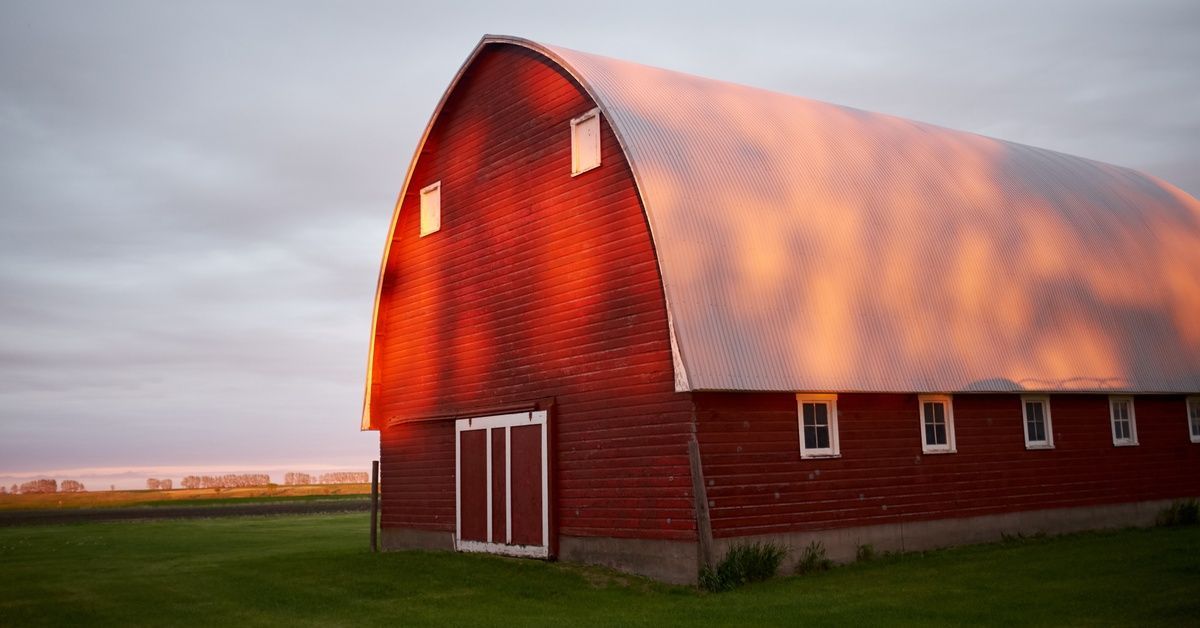
Standing water is one of the biggest threats to roof integrity. Even the most durable metal roofing systems depend on efficient drainage to prevent leaks. Water that pools or drains slowly will eventually find weak points in seams, fasteners, or panel joints.
Clear your roof surface regularly by removing leaves, branches, and other debris that trap moisture against the panels. Clean gutters and downspouts ensure water flows away from the building rather than backing up along the edges, where it can seep under roofing materials. Neglected drainage systems turn minor rain events into major water intrusion risks.
Managing the area surrounding your pole barn is equally important. Trim nearby trees to minimize debris accumulation and prevent branches from scraping panels during storms. Overhanging limbs can dislodge fasteners, puncture metal, and deposit organic material that stays damp for extended periods. Maintaining proper roof slope and clear drainage paths moves water off quickly, reducing the wear that leads to eventual failure.
Address Small Repairs Before They Spread
A single loose screw or cracked washer seems insignificant, but these minor flaws allow water to penetrate beneath the surface. Once moisture enters the structure, it affects insulation and threatens anything stored inside. What begins as a small fix can quickly become an extensive restoration project.
Acting quickly on minor issues prevents extensive damage. Replace worn fasteners, tighten loose connections, reseal joints showing separation, and repair damaged trim pieces to maintain your roof’s protective barrier. These targeted repairs cost a fraction of what you would spend on major water damage remediation, and they preserve your pole barn’s usability by preventing service interruptions.
Small repairs prevent more serious damage than visible leaks. Water entering through a minor opening travels along beams and soaks into insulation before appearing as interior stains. This promotes mold growth, wood rot, and metal corrosion in areas you can’t easily monitor. Stop water at its entry point to eliminate these cascading problems before they start.
Choose Quality Materials and Proper Installation
Effective leak prevention begins long before your first maintenance inspection. The materials you select and the quality of installation determine how well your roof performs over decades of use. High-grade metal panels, corrosion-resistant fasteners, and proven sealants defend against moisture intrusion.
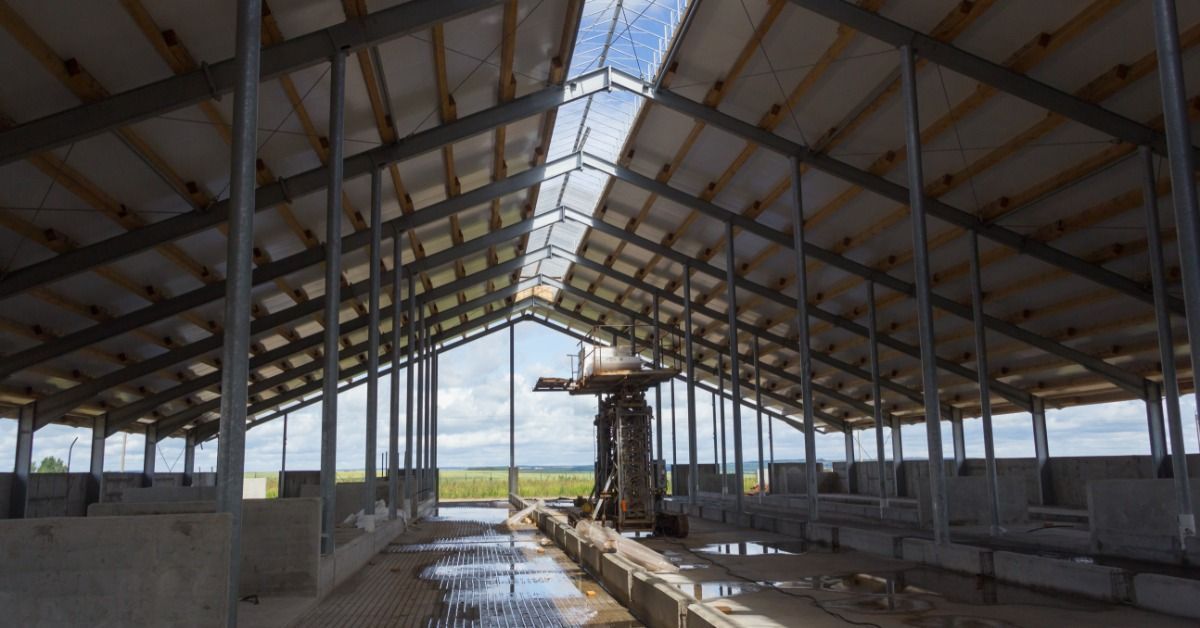
Professional installation ensures every component functions as designed. Panels must align precisely, fasteners must achieve proper tension without overdrive, and flashing must channel water away from critical junctions. Installation errors create hidden vulnerabilities that won’t become apparent until water damage appears inside your building. By that point, repairs become more complicated and expensive.
Experienced builders understand how regional climate affects roofing performance. They recommend materials engineered to handle Kentucky’s combination of heat, humidity, heavy rainfall, and occasional severe weather. Investing in quality from the start reduces recurring maintenance issues and extends your roof’s service life.
Maintain Proper Ventilation and Insulation
Ventilation and insulation often receive less attention than visible roof components, but they’re essential for preventing moisture-related damage. Inadequate airflow traps humidity inside the building, causing condensation to form on the roof’s underside. This internal moisture creates effects identical to exterior leaks and accelerates material deterioration.
A properly designed ventilation system circulates air and removes moisture from the building. Ridge vents, soffit vents, and other airflow features regulate temperature and prevent condensation buildup that weakens roofing materials. Adequate insulation supports this process by minimizing temperature differentials that cause moisture to condense on cold surfaces.
Check these systems periodically to confirm they’re functioning correctly. Blocked vents or compressed insulation disrupt airflow patterns and increase interior moisture levels. When ventilation and insulation work together effectively, they reduce stress on your roofing materials and support reliable long-term performance.
Monitor Weather Impact Throughout the Year
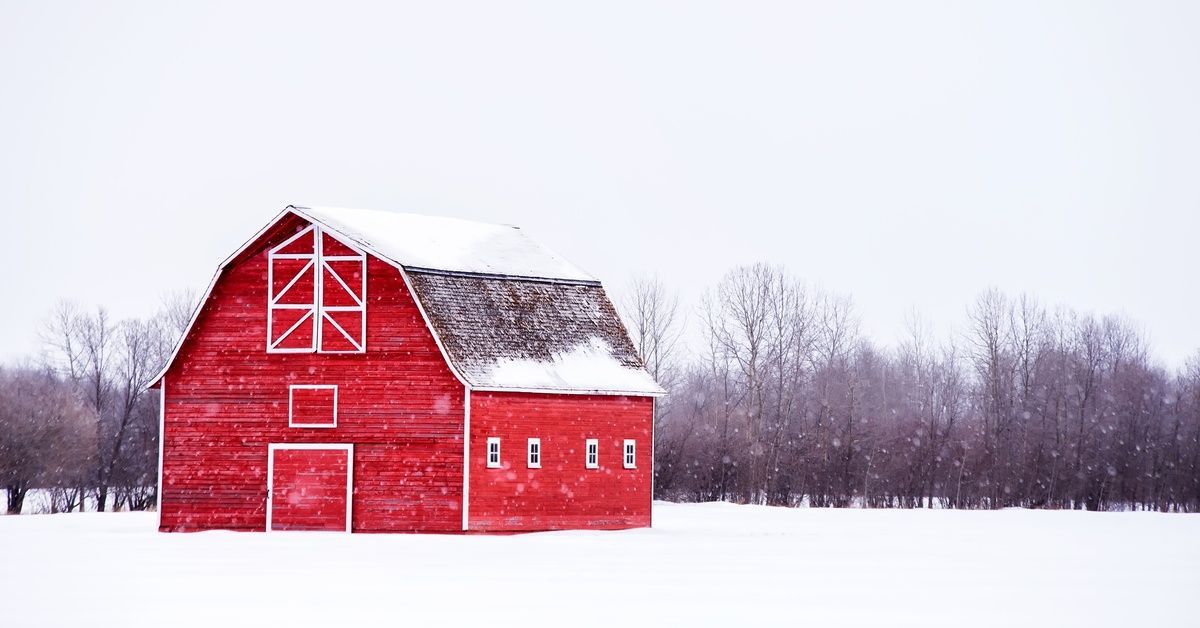
Kentucky’s variable weather constantly tests pole barn roofs. Heavy rainfall challenges drainage systems, while snow and ice add weight and create freeze-thaw cycles that stress fasteners and seams. Strong winds can lift panels or loosen components, especially when prior wear has already compromised their security.
Inspect your roof after significant weather events to identify new damage. Look for shifted panels, loose trim, separated flashing, or water stains inside the building. Addressing these issues immediately prevents them from worsening during the next storm and helps you maintain control over repair costs.
Seasonal preparation extends your roof’s durability. Before winter arrives, verify that drainage systems are clear and functional so melting snow can exit efficiently. Before storm season, confirm that all fasteners and flashing are secure. Year-round attention keeps your roof ready to handle whatever weather conditions develop.
Work With a Trusted Local Builder
Some roofing problems exceed what routine maintenance can address. Persistent leaks, structural concerns, or widespread material aging require professional evaluation to identify root causes and implement lasting solutions. One last roof leak protection tip for pole barn owners is to avoid attempting complex repairs without proper expertise, as this can result in incomplete fixes and recurring issues.
CKR Pole Buildings & Barns specializes in quality construction that delivers reliable long-term performance. Our team uses durable materials, provides detailed customization, and maintains strong customer relationships throughout each project. Our commitment to excellence ensures buildings remain protected against the elements.
If you’re looking for metal buildings in KY, partner with an experienced local builder to prevent leaks before they develop and resolve issues quickly. Contact us to discuss your pole barn roof and protect your equipment and livestock.