The Role of Insulation in Pole Barn Comfort
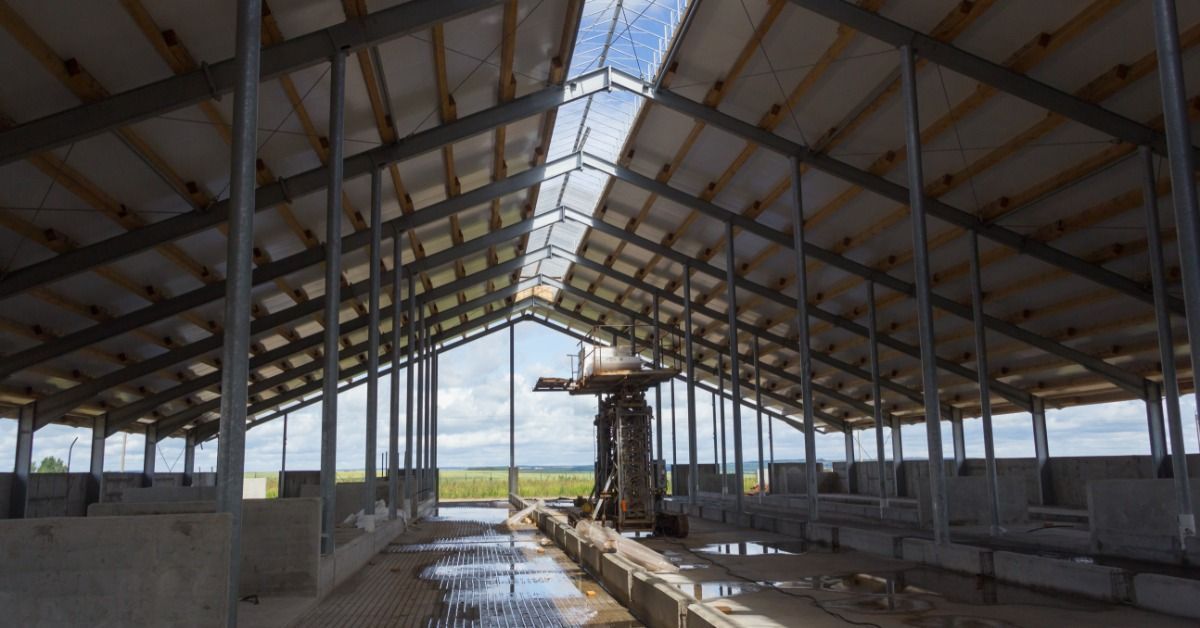
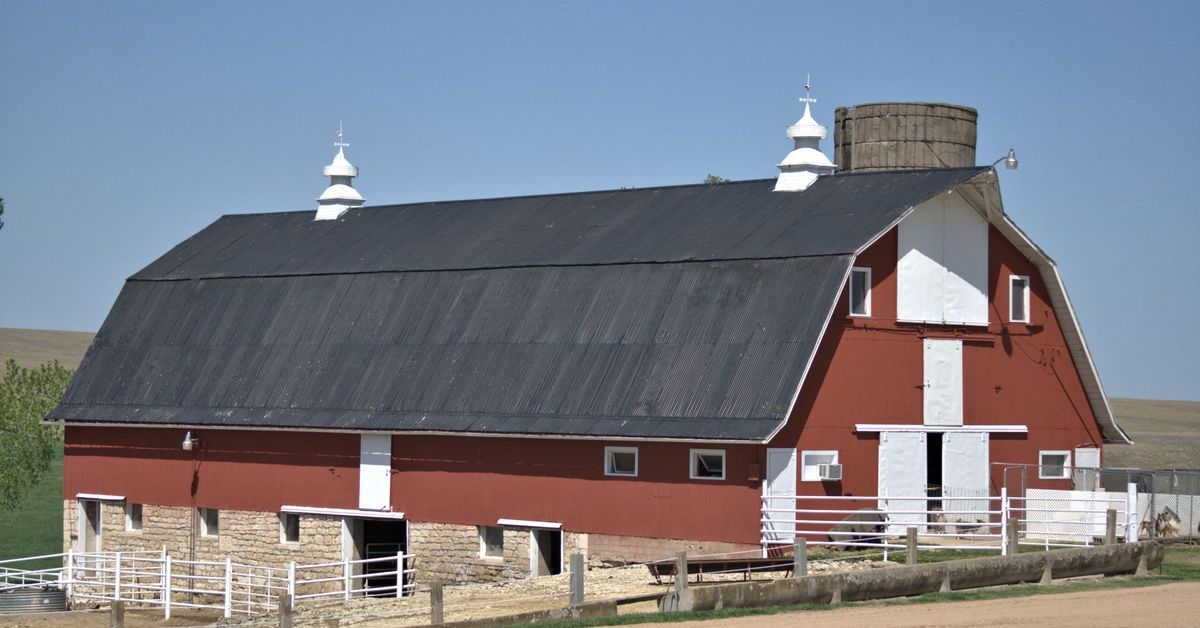
When people plan a pole barn, they often focus on structural elements such as framing, roofing, and size. Those components certainly influence durability and function, but insulation determines how comfortable the space feels throughout the year. Temperature control, moisture management, and energy efficiency all depend heavily on proper insulation choices. Without it, a pole barn can experience extreme indoor temperature swings that limit how often the building can be used.
Insulation slows the movement of heat through walls and roofs, which helps stabilize indoor conditions. During hot weather, it reduces how much outside heat enters the building. During cold weather, it keeps warm air from escaping too quickly. Below, we dive into the role of insulation in pole barn comfort so you can improve usability and long-term performance in your pole barn.
Why Pole Barns Require Insulation
Pole barns feature large open interiors and wide wall spans supported by posts rather than traditional stud walls. While this design provides flexibility and strength, it also creates more surface area where heat can transfer between the inside and outside of the building. Without insulation, the structure offers little resistance to outdoor temperatures.
Metal siding and roofing commonly used in pole barns also conduct heat more readily than many other building materials. On sunny days, these surfaces can absorb heat and transfer it directly into the interior space. In colder weather, the same materials allow indoor warmth to escape quickly.
Insulation slows this exchange and helps maintain a more stable indoor environment. Even buildings that do not require full climate control benefit from insulation because it reduces drastic temperature fluctuations.
Temperature Stability Throughout the Year
Insulation improves how comfortable a pole barn feels during summer and winter. Proper insulation reduces heat transfer and prevents rapid temperature changes. As a result, indoor conditions remain more consistent throughout the year.
Temperature stability is especially important in buildings used for workshops, hobby spaces, or equipment storage. A space that overheats during summer afternoons or becomes extremely cold during winter mornings is difficult to use. Insulation maintains a moderate environment that supports regular activity.
Preventing Condensation and Moisture Problems
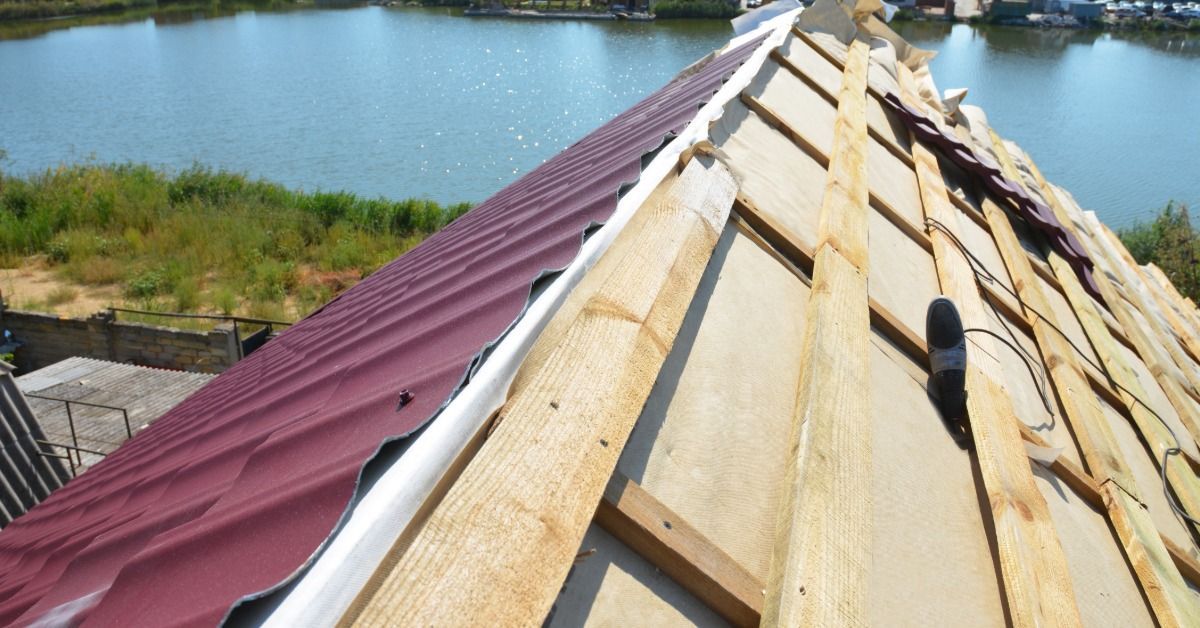
Another major reason to insulate pole barns properly is moisture control. Condensation forms when warm air contacts a colder surface, such as metal roofing or siding panels. When that moisture accumulates, it can damage building materials and stored items.
Repeated condensation can cause rust on metal surfaces and encourage mold or mildew growth. Wood framing may also deteriorate if moisture stays present for long periods. These issues affect the structure and create unhealthy indoor conditions.
Insulation regulates temperature differences between interior air and building surfaces. Many insulation systems also include vapor barriers that slow moisture movement through walls and ceilings. Together, these components reduce the likelihood of condensation and protect the building over time.
Energy Efficiency and Operating Costs
Many pole barns include some form of heating or cooling, particularly when owners use them as workshops or recreational spaces. Without insulation, those systems must run more frequently to maintain comfortable temperatures. This increased workload results in higher energy consumption and utility bills.
Insulated walls and ceilings reduce heat loss during winter and limit heat gain during summer. As a result, heating and cooling equipment can maintain indoor conditions with less effort. Over time, this efficiency translates into measurable cost savings.
Energy efficiency also benefits the building’s mechanical systems. Heating and cooling equipment operates under less strain when temperatures are stabilized, which can extend its lifespan and reduce maintenance needs.
Common Insulation Materials for Pole Barns
Several insulation materials perform well in pole barn construction. Builders typically evaluate the building’s purpose, budget, and climate conditions before recommending a specific option.
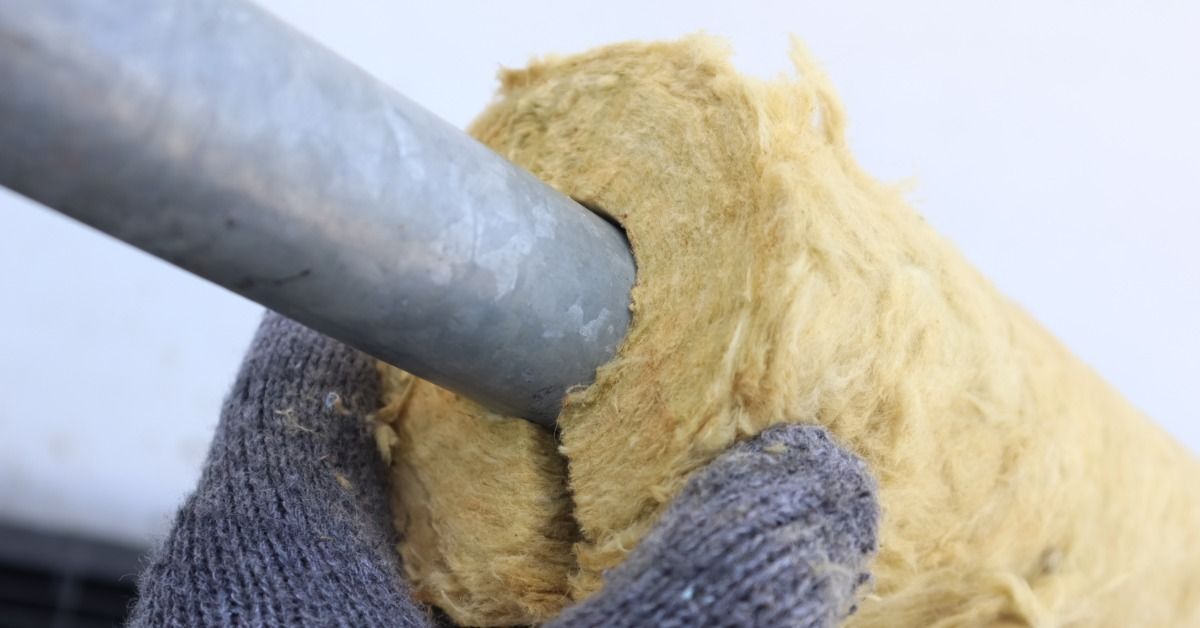
Fiberglass insulation is one of the most common choices. Installers place fiberglass batts between framing members to provide consistent thermal resistance at a relatively affordable cost. When installed correctly, fiberglass performs reliably in many types of pole barn applications.
Spray foam insulation offers additional advantages because it expands to fill gaps and cracks. This property allows it to create an effective air seal while providing insulation. Rigid foam board insulation may also appear in certain wall or roof assemblies, where it delivers continuous insulation and strong moisture resistance. Each material offers different benefits, so builders often select insulation systems that match the project’s goals.
Insulating Walls and Roof Systems
Effective insulation requires attention to both walls and roofs because each area contributes to heat transfer. Roof insulation often receives special consideration since warm air naturally rises. Significant heat loss can occur during colder months without insulation above the ceiling or beneath roof panels.
Summer conditions pose a different challenge. Sunlight striking metal roofing can heat the roof surface quickly, which allows heat to move into the building’s interior. Roof insulation helps block this transfer and keeps indoor temperatures lower.
Wall insulation is just as important. Large wall surfaces can allow drafts and temperature changes if the insulation remains insufficient. Builders can combine wall insulation with vapor barriers and ventilation strategies to create a building envelope that performs much more efficiently.
Insulation Needs for Different Uses
Pole barns serve a wide variety of purposes, and insulation needs vary depending on how owners plan to use the space. Storage buildings for equipment may require only basic insulation or condensation control. Meanwhile, workshops often benefit from higher insulation levels because people spend long hours working inside them.
Living spaces require even greater insulation performance. Builders who construct custom pole barn homes must meet residential energy standards to maintain comfortable indoor temperatures throughout the year. Proper insulation also supports indoor air quality and maintains consistent climate control.
Animal housing can also benefit from insulation. Stable interior temperatures support animal health and maintain proper ventilation without exposing livestock to extreme temperature swings.
The Long-Term Benefits of Proper Insulation
Insulation contributes to the long-term performance of a pole barn. A well-insulated building provides more consistent indoor temperatures, protects equipment and materials, and reduces energy consumption. These benefits increase the usefulness of the structure throughout the year.
Property owners also gain flexibility when insulation forms part of the building design. An insulated structure can adapt more easily if the building’s purpose changes in the future. Workshops may expand, storage spaces may become recreational areas, or barns may evolve into finished living spaces.
Build a More Comfortable Pole Barn
Comfort should be a priority in any pole barn design, and insulation is the key to achieving it. It improves temperature control, limits moisture problems, and reduces operating costs over time. Builders must prioritize insulation early in the project so that the finished structure is functional and enjoyable to use.
Property owners in Kentucky who want a durable, comfortable building benefit from working with experienced professionals. CKR Pole Buildings & Barns focuses on quality materials, customization, and personalized service to ensure every project meets the owner’s needs.
If you are planning a pole barn, reach out to us today to discuss your goals and begin designing a structure that stays comfortable in every season.