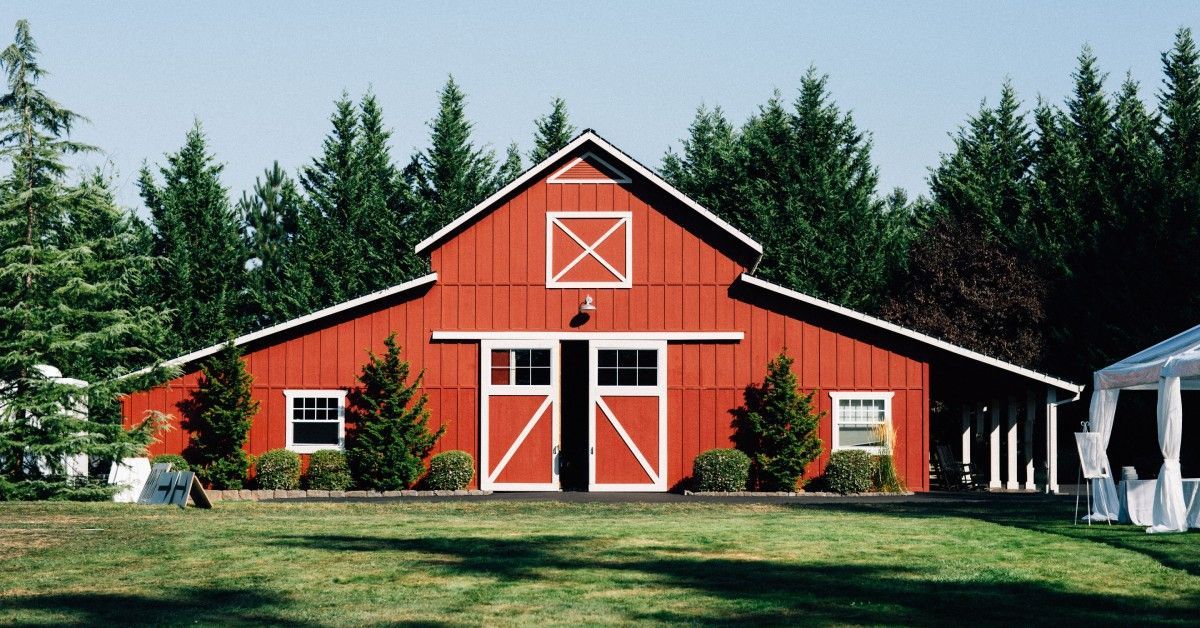
Energy Efficiency in Barndominiums Explained
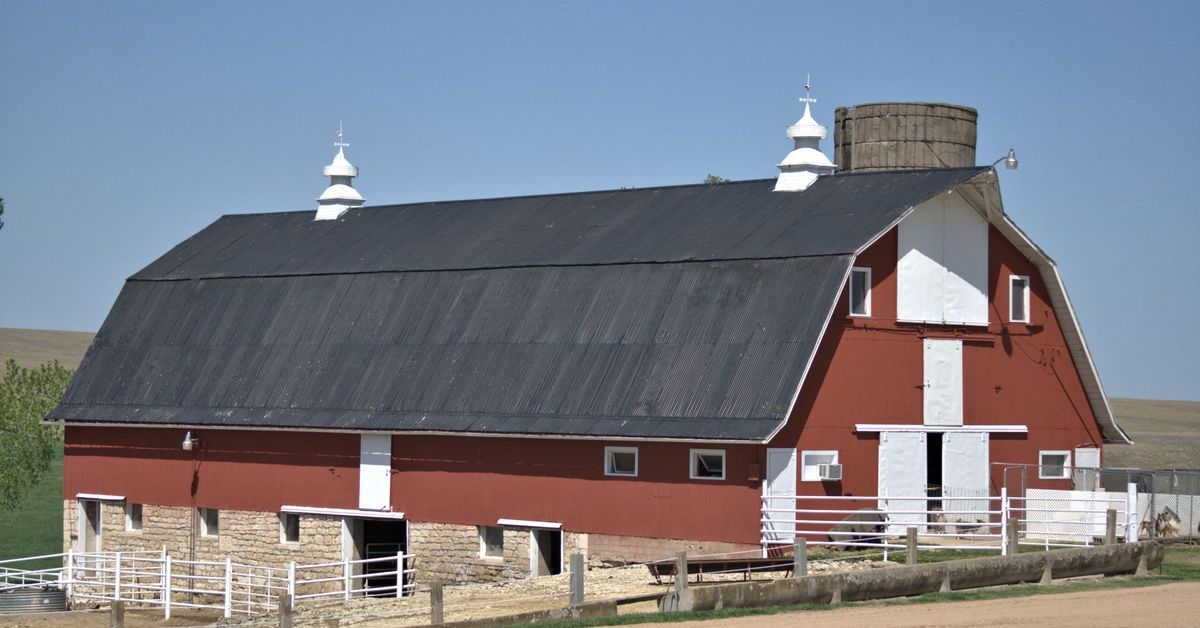
Barndominiums are getting more attention from homeowners who want space, flexibility, and a home that fits their property. But what about monthly energy use? If you’re picturing a wide-open home with high ceilings, it’s fair to wonder how well it holds heat in January or stays cool in July. The good news is that energy-efficient barndominiums are absolutely possible when the build is planned the right way.
The Short Answer: Are They Energy Efficient?
We’ll start with the short answer. Are barndominiums energy-efficient? Or do they come with higher heating and cooling costs than a traditional home?
Barndominiums are actually one of the more efficient types of homes you can live in. This is primarily due to their airtight construction and superior insulation, which keeps outdoor air from sneaking in and conditioned air in. But those aren’t the only qualities they have going for them. If you’ve been looking into building a home or guest house on your property, but don’t want to deal with increased energy bills, this could be the right fit for you.
What Makes Them Energy Efficient?
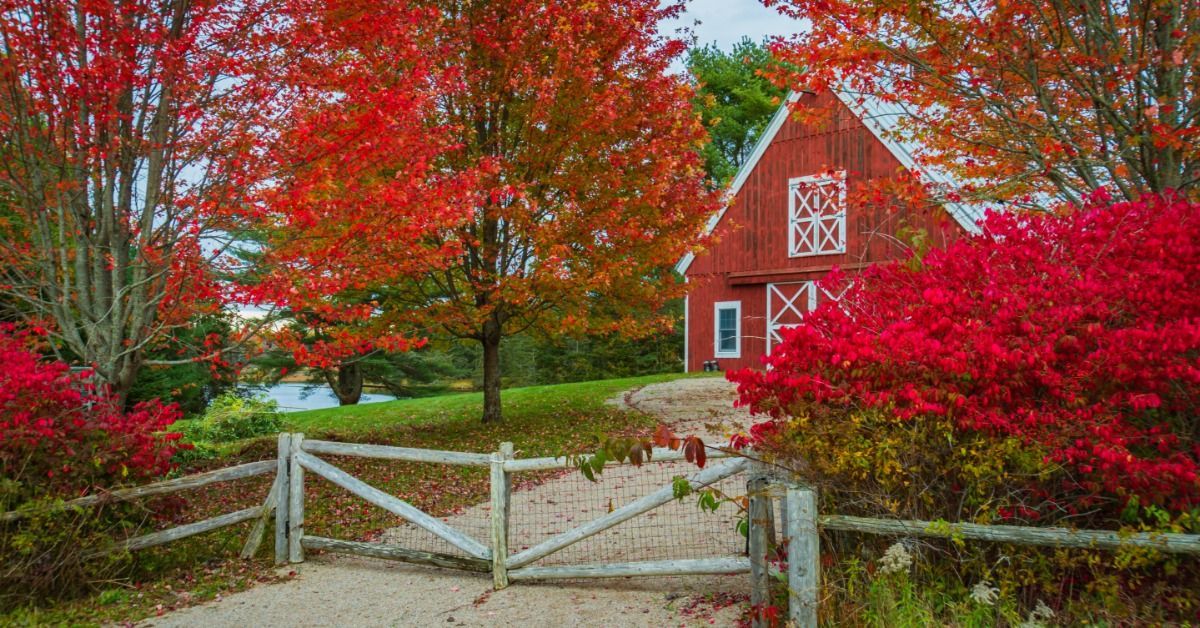
As mentioned, barndominiums have several built-in qualities that make them extremely energy-efficient.
Airtight Construction
Barndominiums are built with a strong outer shell that can limit air leaks when properly sealed. This helps keep outdoor air from working its way inside and stops heated or cooled air from escaping. When the home holds temperature better, the HVAC system doesn’t have to work as hard.
Strong Insulation
Insulation does a lot of the heavy lifting in a barndominium. Walls, roofs, and ceilings can be insulated to create a stronger barrier between indoor and outdoor temperatures. This helps keep rooms warmer in the winter and cooler in the summer, which is important in Kentucky’s changing seasons.
Open Floor Plans
Many barndominiums use open layouts with fewer interior walls. This helps air move through the home with less restriction. Heating and cooling can reach main living areas more evenly, which helps reduce hot and cold spots throughout the space.
Natural Light
A well-planned barndominium can bring in plenty of daylight through windows, glass doors, and open living areas. This reduces the need for artificial lighting during the day. It also helps the home feel brighter without adding extra energy use.
Building Orientation
The direction a barndominium faces can affect indoor comfort. A smart layout can take advantage of sunlight during cooler months and limit direct heat during warmer months. This helps the home work with the property instead of fighting against the weather all year.
Energy-Efficient Windows
The right windows help control heat gain, heat loss, and drafts. Barndominiums can be built with efficient windows that support the insulation and sealing in the rest of the home. This helps keep the indoor temperature more consistent without relying as much on the HVAC system.
Reflective Metal Roofing
Metal roofing can help reflect heat from the sun instead of absorbing it. This can reduce heat buildup inside the home during warmer months. With proper roof insulation underneath, a barndominium can stay more comfortable while putting less strain on the cooling system.
Smart Temperature Control
Smart thermostats give homeowners better control over heating and cooling. You can set schedules, adjust temperatures when you’re away, and avoid running the system harder than needed. This helps cut wasted energy.
How To Maximize Efficiency When Building
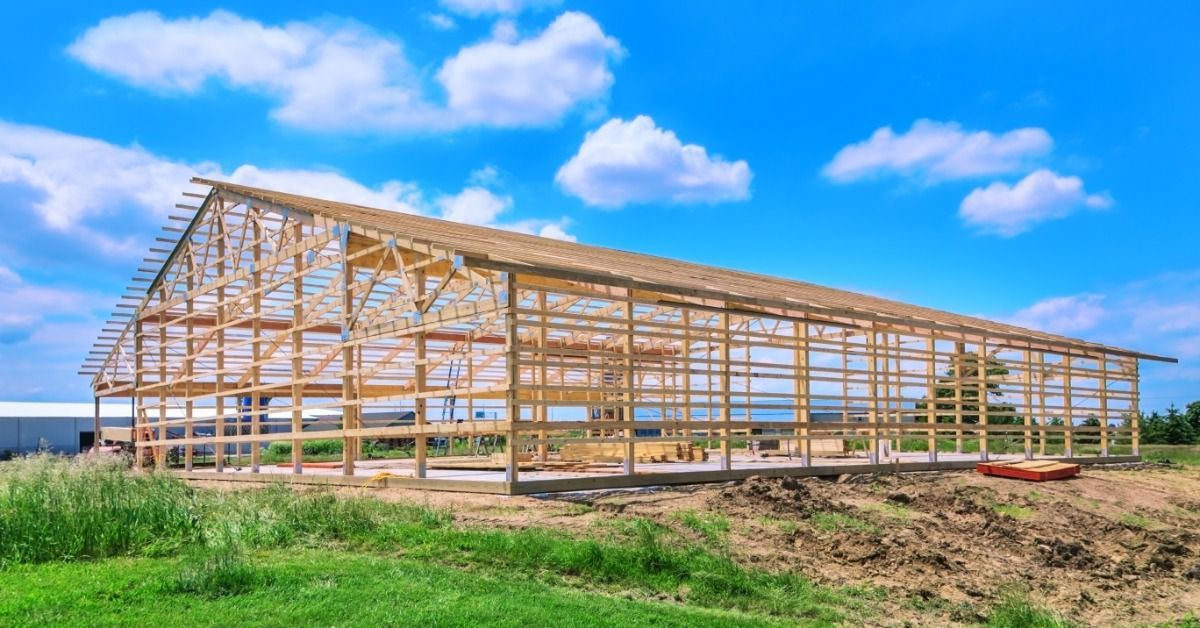
Barndominiums have the potential to be very energy efficient. Many are efficient from the start when they’re constructed correctly, thanks to built-in features like airtight shells, open layouts, and strong insulation. But some of the features that can make these homes even more efficient are optional, like upgraded windows, smart thermostats, and higher-performance HVAC systems.
Barndominiums have the perfect structure to support these upgrades, but they don't come standard. You have to ask for them. Here’s how to maximize energy efficiency while your home is being built.
- Research Your Options Before You Start: Spend time looking into the energy-efficient features available for barndominiums before you settle on a plan. This helps you understand what can be added.
- Decide What You Want Included: Make a list of the features you care about most. Some homeowners want better windows, while others care more about temperature control, lighting, or long-term utility costs.
- Know What Your Budget Can Handle: Energy-efficient upgrades can affect the total project cost. Decide what you can afford now and what can wait. This helps you prioritize the features that give you the most value without stretching the build beyond your comfort zone.
- Talk To Your Builder Early: Bring up energy efficiency before the plans are finalized. Your builder can explain what works best with your design, property, and daily use. Early conversations also make it easier to include important features before construction starts.
- Ask What Comes Standard: Don’t assume every efficiency feature comes with the build. Ask what’s included in the base plan and what counts as an upgrade. This helps you avoid surprises and gives you a better picture of what your finished home will include.
- Plan For Long-Term Comfort: A barndominium should fit the way you’ll actually live in it. Consider how many people will use the space, how often you’ll be home, and what rooms need the most comfort. Those details help guide smarter efficiency choices from the beginning.
A Home That Works With Your Plans
If you were worried a barndominium wouldn't be energy efficient , let those concerns be laid to rest. This type of housing is actually highly efficient thanks to its airtight construction, insulation options, and flexible design. If you were considering building a pole barn house on your property, hopefully this gives you some assurance that comfort and efficiency can go hand in hand.
For those ready to make the leap, CKR Pole Buildings is a reputable builder in central Kentucky. Our homes are beautiful, affordable, and have a much faster turnaround time than traditional houses. Whether you want a place for yourself, a guest house for your family, or a rental to bring in extra income, let us help you build the home you had in mind. Reach out today to chat with a member of our team.