Foundation Types To Consider for Pole Barns
For a lot of people, the fun part of planning a new building is picturing how they’ll use it. Maybe you need extra room for equipment, a place to park an RV, or a setup for storage and weekend projects.
But before any of that comes together, the base needs attention. A pole barn’s foundation can shape how well the building holds up, how it handles the ground below it, and how well it fits your property from the start. Here are popular foundation options and how to tell which is right for your build.
Why The Foundation Is Important
A pole barn starts with the ground under it. The foundation provides the base for the rest of the structure. If the foundation is weak, uneven, or poorly planned, the final building could start off unstable, or quickly shift when the soil settles or moisture builds up around it. Here are some ways a strong, solid foundation helps support the success of a build:
- A solid foundation gives the building a stable starting point from the day construction begins.
- It helps the structure stay level as weight settles into the ground over time.
- It gives posts the support they need to stay secure under daily use and bad weather.
- It helps the rest of the building come together correctly during construction.
- It reduces the chance of shifting that can lead to damage after the building is finished.
- It supports a longer service life by giving the structure a dependable base.
The right foundation for your pole building depends on a variety of factors, including soil conditions and intended use. To help you make a smart decision, we’ll talk about the different foundation options available and how to pick the right one for your lot below.
Types Of Foundations for Pole Barns
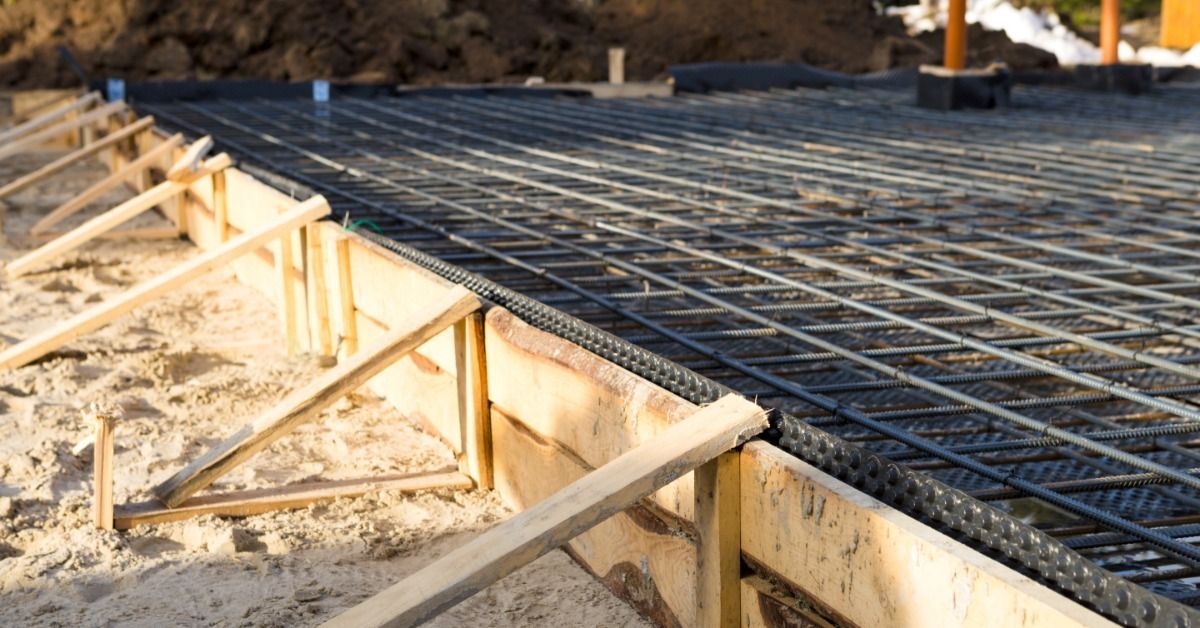
Pole barns can sit on several foundation types, and each one works best in different site conditions and use cases. Soil, drainage, building size, and how the space will be used all affect which option makes sense. Here’s a closer look at the most common foundation types so you can see how each one works, along with the strengths and drawbacks that come with it.
Post-In-Ground Foundation
This is one of the most common foundation types for pole barns. Treated wood posts are set directly into the ground and spaced throughout the building perimeter and frame. Concrete may be placed around the posts to help secure them and improve stability.
Pros
- Lower upfront cost than many other foundation options
- Common choice for agricultural buildings and general storage use
- Faster installation process in many cases
- Strong structural support when installed correctly
Cons
- Soil moisture can affect long-term post performance
- Poor drainage can create issues around the post base
- Not every site is a good fit for direct ground contact
- Repairs can be more involved if a post ever needs replacement
Concrete Pier Foundation
A concrete pier foundation uses individual concrete footings or piers below each post location. The posts connect to the piers instead of being buried directly in the soil. This creates a strong support system while adding separation between wood and ground moisture.
Pros
- Helps reduce direct wood contact with wet soil
- Strong option for sites with drainage concerns
- Can improve long-term durability
- Works well for buildings needing reliable structural support
Cons
- Higher cost than a basic post-in-ground setup
- Installation takes more planning and labor
- Accurate placement is important during construction
- Some sites may still need added drainage work
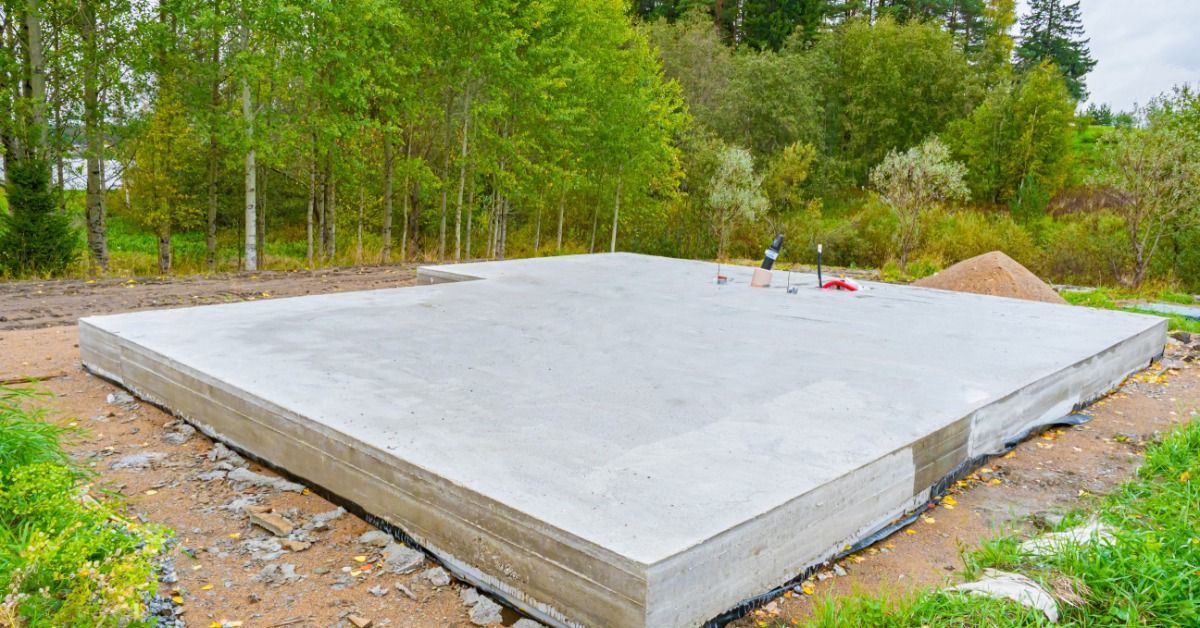
Monolithic Concrete Slab
A monolithic slab combines the floor and foundation into one poured concrete surface. The slab is thicker around the edges to carry the load of the structure. This option is common when the building will be used for vehicles, workshops, or other uses that benefit from a finished floor.
Pros
- Creates a solid floor surface right away
- Good fit for garages, shops, and equipment storage
- Easy to clean and maintain
- Supports heavier use inside the building
Cons
- Higher upfront cost
- Site prep must be done correctly before pouring
- Cracking can happen if soil shifts or drainage is poor
- Changes or repairs after installation can be harder to handle
Gravel Pad Foundation
A gravel pad foundation uses compacted stone to create a level, stable base for the structure. In some cases, it is paired with other support elements rather than serving as the only foundation component. This option is common for simpler buildings and certain storage uses.
Pros
- Lower cost than full concrete options
- Helps with drainage under the building
- Works well for some light-use applications
- Can be installed with less disruption to the site
Cons
- Not ideal for every building type
- Doesn’t provide a finished floor
- Heavy loads may require a stronger foundation system
- Ongoing surface maintenance may be needed over time
How To Choose the Right Foundation for Your Property

The best foundation depends on what’s happening on your lot and what you want the building to do once it’s finished. One property may need a simple solution, while another may need added support because of soil, drainage, or building use. These questions can help narrow the decision.
- What’s the soil like on your property? Loose, wet, or unstable soil can affect how well a foundation holds over time. Ground conditions should support the weight of the building without excessive settling or movement.
- How does water move across the site? Drainage has a direct effect on foundation performance. A site that holds water or stays soft after rain may need a foundation option that handles moisture better.
- How will the building be used? A barn for light storage doesn’t need the same base as a workshop, garage, livestock space, or RV building. Heavier use calls for stronger support and, in some cases, a finished floor.
- How large will the building be? A bigger structure places more demand on the foundation. Width, length, height, and roof load all affect how much support the base needs.
- Do you want a dirt, gravel, or concrete floor? Some options work well with a simple base, while others fit better when a full concrete slab is part of the plan.
- What does your budget allow? Foundation costs can vary quite a bit depending on materials, labor, and site prep. A lower upfront price may not be the best value if the site needs a stronger long-term solution.
- What are local building requirements? Permit rules, frost depth, and code requirements can affect which foundation types are allowed or recommended for the project area.
A Strong Start for the Whole Building
Picking the right base comes down to your property, your plans, and how you’ll use the space once the building is up. A barn for simple storage may need one approach, while a workshop or RV building may call for something different. The foundation types for pole barns are worth looking at early, because the right choice can support the build for years to come.
If you're interested in building a custom pole barn on your property, reach out to CKR Pole Buildings. We're a team of experienced pole building professionals located in central Kentucky. Whether you want a pole barn for storage, a pole garage to protect vehicles and equipment, or even a custom hobby shop that can house tools, projects, and extra gear, we can make it happen. Let's chat to discuss what your building plan looks like and how we can help you make it happen with our decades of experience and craftsmanship, service, and local knowledge.